
SpazioCemento or SpazioResina: Which Texture Belongs in a Bathroom
SpazioCemento is not cement — it is epoxy, named for its granular texture. Four specified textures, two products, and which one we put in a bathroom.

- 4.8★ Google · 17 reviews
- £500 per week if we finish late
- £17m insurance cover · £5m public liability
- 12-month warranty on second-fix fittings · HomePro registered
- £550 survey credited in full

SpazioCemento and SpazioResina are the same chemistry — a two-component epoxy — and the name refers to texture, not to cement. SpazioResina, trowelled smooth, is what goes in a bathroom. SpazioCemento is the granular one, and choosing it is an aesthetic decision rather than a technical upgrade.
- 4
- specified textures, out of two trowelled products
- 2–3 mm
- total thickness, whichever texture you pick
- 24 h
- after the last topcoat before light foot trafficLitokol
- 4–5 days
- before the room goes back into full useLitokol
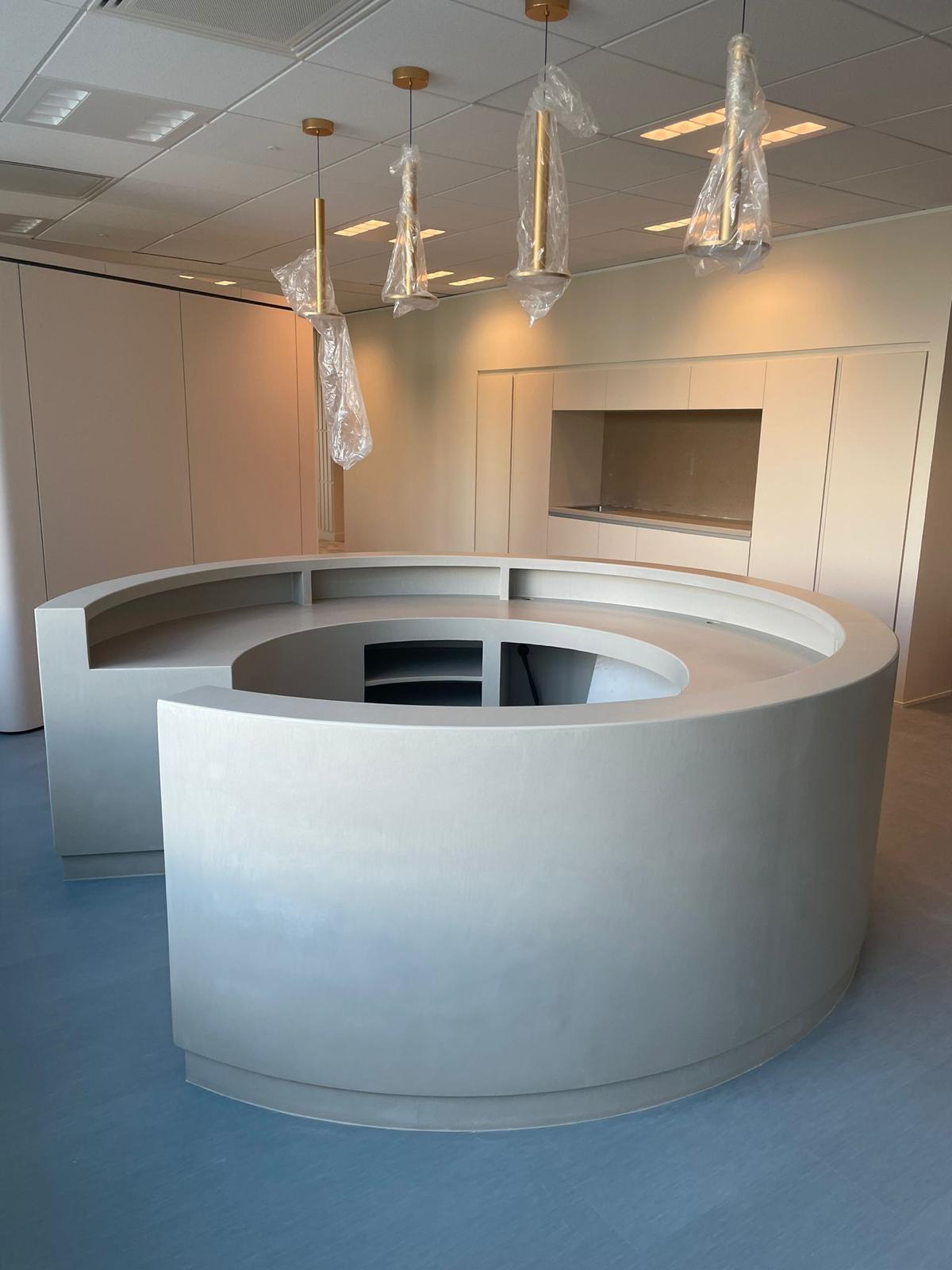
SpazioCemento is not cement. It is a two-component epoxy, the same chemistry as SpazioResina, and the name describes the granular texture it produces rather than a mineral binder. That one correction answers most of what people are really asking when they compare the two — and it changes which questions are worth asking instead. The system is the same; the finish is a choice between 4 specified textures, every one of them 2–3 mm thick. The seamless bathroom page covers what the finished thing costs and how it is measured; this is about which texture to put in the room.
Four things worth knowing before you choose between them.
- It is not cementSpazioCemento is a two-component epoxy, the same chemistry as SpazioResina. It is named for the granular texture it produces, not for a mineral binder — which is what separates it from the microcements it is constantly confused with.
- The waterproofing is the system, not the textureBoth products sit under the same base coats and the same Hydrolux EVO topcoat, so the manufacturer’s wet-area rating belongs to the build-up rather than to the colour coats. Choosing one texture over the other changes nothing about the water.
- The wear rating is already past what a bathroom asksThe system’s published wear class is specified for commercial floors. In a domestic bathroom that headroom is spare with either product, so abrasion is not the reason to pick between them.
- So the choice is the lookSmooth or granular, one colour or two, aggregate showing through or not. That is a decision to make against a sample board in the room’s own light, not off a screen.
Four textures, two products
In shortThe manufacturer specifies four textures built from two trowelled products. Which one you get is decided by what goes on top and how it is sanded.
Everything below the colour coats is identical whichever way you go: the tile is keyed and degreased, the grout lines are filled flush, a glass-fibre reinforcing mesh goes into the first base coat, a second base coat buries it, and a polyurethane topcoat closes the whole thing. Only the two colour coats change.
As the manufacturer’s installation manual specifies them. The texture is decided by which product goes on and how it is sanded — not by a different system.
| Texture | Built from | How it reads |
|---|---|---|
| Smooth resinSpazioResina | SpazioResina × 2, one colour. | Even, with delicate shading. |
| Contrast resinSpazioResina | Two SpazioResina colours — the darker first, the brighter second at “zero”, no more than 150–200 g/m². Sanded 120–180 grit. | The sanding pulls the chiaroscuro out, so the lower colour reads through the upper one. |
| Dovetail cementSpazioCemento | SpazioCemento × 2. | Granular and trowel-marked — the texture the product is named for. |
| Cement + resinboth products | SpazioCemento × 2, then a third “zero” coat of SpazioResina in a contrasting colour, sanded back. | The aggregate shows through the top colour where the sanding cuts it. |
The detail worth lingering on is the third column. The contrast texture is made by sanding, not by troweling — two colours go on, the second very thinly, and the surface is then cut back at 120 to 180 grit until the darker colour reads through. It is the only texture in the range that uses a grit that fine; everywhere else the sanding is there to flatten the surface rather than to reveal what is under it. The cement-and-resin texture is the same trick in reverse: the granular product twice, then a thin resin coat sanded until the aggregate comes back through.
That is also why a sample photographed on a screen tells you almost nothing. The effect is a depth created by abrasion, and depth is the first thing a camera flattens.
What choosing the granular one actually decides
In shortNot the water, and not the durability. The texture, and only the texture.
Two things do not change when you pick SpazioCemento over SpazioResina, and they are the two things people assume are the whole point.
The water. Both products sit under the same base coats and the same topcoat. The manufacturer's position is that the system performs the waterproofing itself when applied correctly, and the conditions attached to that are all in the layers above and below the colour — three topcoats in a wet area instead of two, taken into contact with the drain, corner tape bedded into every internal and external corner, sealant packed round each pipe before the fittings go on, and a fall that lets no water stand anywhere. None of those is affected by whether the colour coats are smooth or granular.
The durability. The wear class the manufacturer publishes for this system is one specified for commercial floors, and it applies to the build-up rather than to one texture within it. A domestic bathroom floor does not come close to that duty either way, so there is no honest argument that the granular product is the tougher choice for a family bathroom. It is the choice the manufacturer points at for a floor taking trolleys.
What is left, once those two are off the table, is what the room looks like. That is a real decision and worth making properly — but it should be made against a sample board held up in the room's own light, not from a product name.
Timing is chemistry, not scheduling
In shortTwelve hours between base coats, no more than thirty-six between any two layers, 24 h to light traffic and 4–5 days to full use.
The waits between coats are the part of this job most often misread as a slow programme. They are cure times published by the manufacturer, and the one that catches people out is the maximum: leave more than thirty-six hours between two layers and the surface has to be sanded and re-keyed before the next one will bond. A resin bathroom is not a job that can be paused for a long weekend halfway through.
At the end, the manufacturer gives twenty-four hours after the final topcoat before light foot traffic and four to five days before the room goes back into full use. Whichever texture you choose, the total build-up is about 2–3 mm, so door heights, thresholds and the step into the room do not move.
When we say no to either of them
In shortSound substrate or nothing. Two tests decide it, and a few conditions rule the whole system out.
The texture question only arises once the room has passed the tests, and some rooms do not.
- The tap testEvery tile tapped across the whole area. A hollow tile is a tile that is no longer bonded, and the overlay inherits that bond rather than improving it.
- DeflectionA floor that moves more than the finish can tolerate takes the finish with it. This is the test that decides whether an overlay is honest on a timber floor at all.
- What is behind the tilesAn overlay seals in whatever is there. A slow leak or rotten timber behind the tiles gets covered rather than found, and that is an argument for stripping out instead.
- An existing trayA ceramic or stone shower tray cannot be overlaid — only a tray formed in situ can be covered. This is the condition that most often turns an overlay back into a strip-out.
There are others: gypsum skim, plaster finish and fine-mortar walls do not have the surface strength and have to come off; roller-applied tanking already on the wall has to come off too; and untreated rising damp is dealt with before anything else goes on. Where a test fails, a proper strip-out is the honest answer rather than a thinner one — and the layer-by-layer build-up shows what the system is actually made of, while the comparison with real microcements covers the families this one keeps being mistaken for.
Seeing it before you commit
In shortA board in the room beats any photograph, and the measured survey that follows is credited back.
Because the effect is made of texture and shading rather than pattern, the sequence that works is: pick a direction from the four textures, get a board made up in the nuance you are drawn to, and look at it in the room at the hour you actually use it. The palette runs to twenty-seven standard nuances and any RAL or NCS reference can be made to order, so the colour is rarely the constraint — the texture is.
The seamless bathroom page measures a room by surface rather than by floor area and will give you a figure from your own measurements, and the estimator covers the rest of a bathroom if the overlay is part of a bigger job. The pre-contract measured survey is credited in full against the contract if you appoint us, so the step from a sample board to a priced scope costs nothing if you go ahead.
Straight answers
The home you actually want, finished on the date in the contract — and you watch every day of it happen from your phone.
We finish on the agreed date, or we pay you £500 for every week we are late.
The date is in the contract, and so is this. Only a variation you approve can move it.
Everything included, line by line
- 10% to mobilise, then weekly against work already done — with 5% held past handover: 2.5% released at practical completion and 2.5% at the end of the 12-month defects period
- £550 survey fee credited in full against your contract
- Every variation priced and signed before a penny is spent
Your range appears as soon as you add your email. Quotes hold for 21 days, then materials re-price.
4.8★ from 17 Google reviews — including the 1-star, published in full. We are not the cheapest. If price is the only factor, we may not be the right fit — and that is fine.
More from the guides
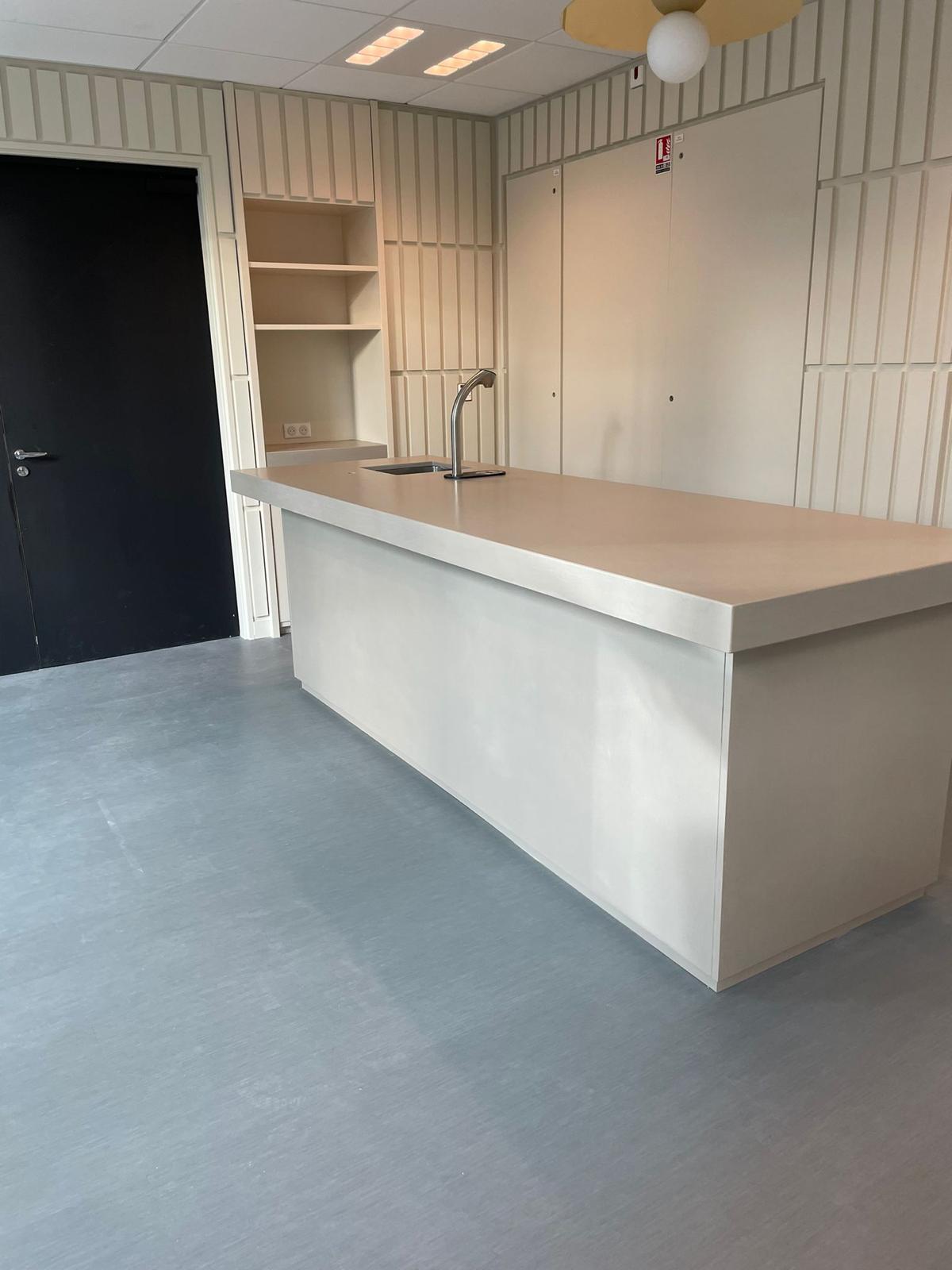 On siteWhat a Seamless Bathroom Job Actually Covers, Surface by SurfaceA seamless bathroom is quoted by measured surface, not floor area. Every surface the overlay covers, the seven stages on site, and the three it cannot do.
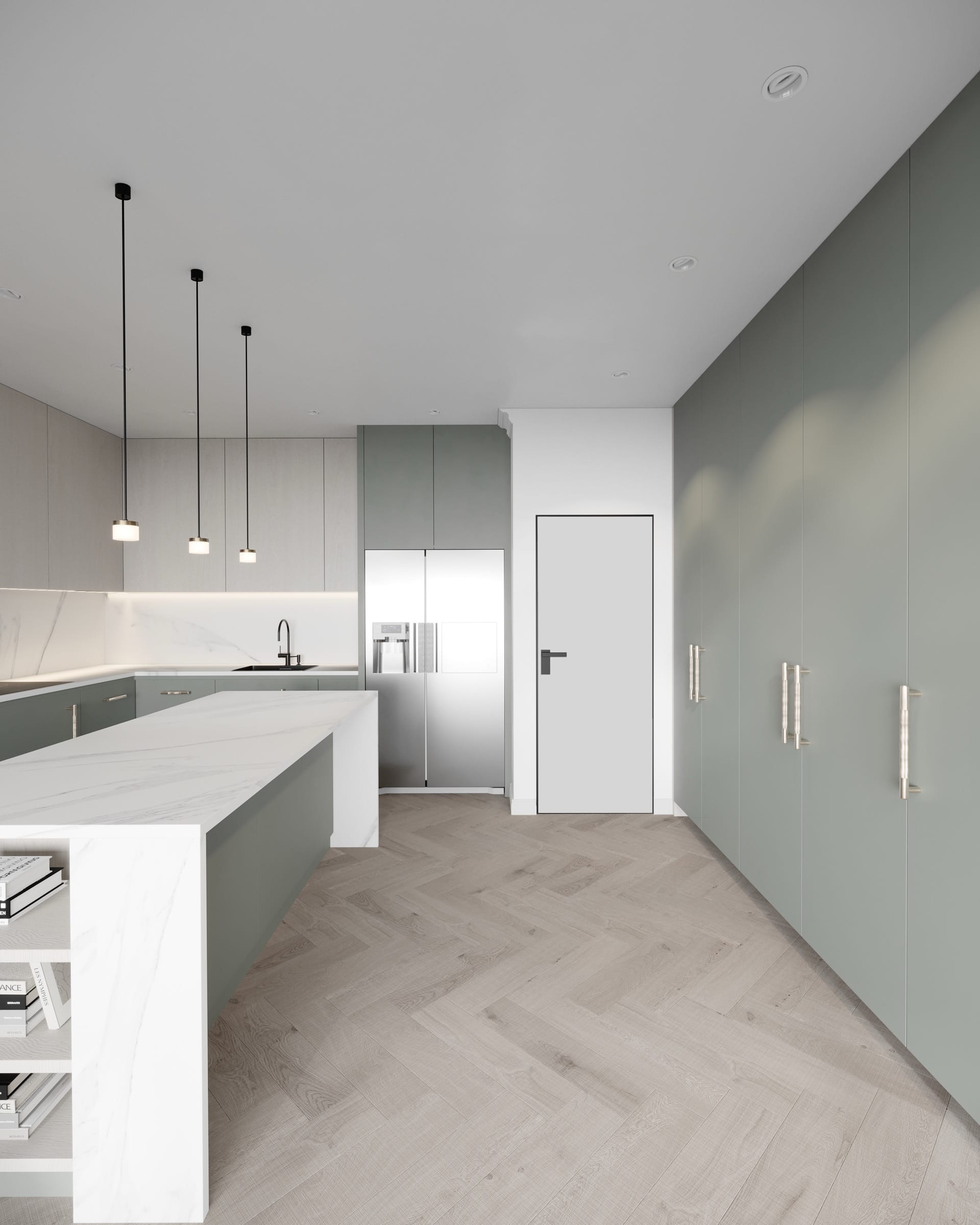 CostsThe Kitchen Refresh: Keep the Boxes, Change Everything You SeeA kitchen refresh changes the fronts, the floor and the worktop and moves nothing. Two numbers price it: your floor area and a count of units.
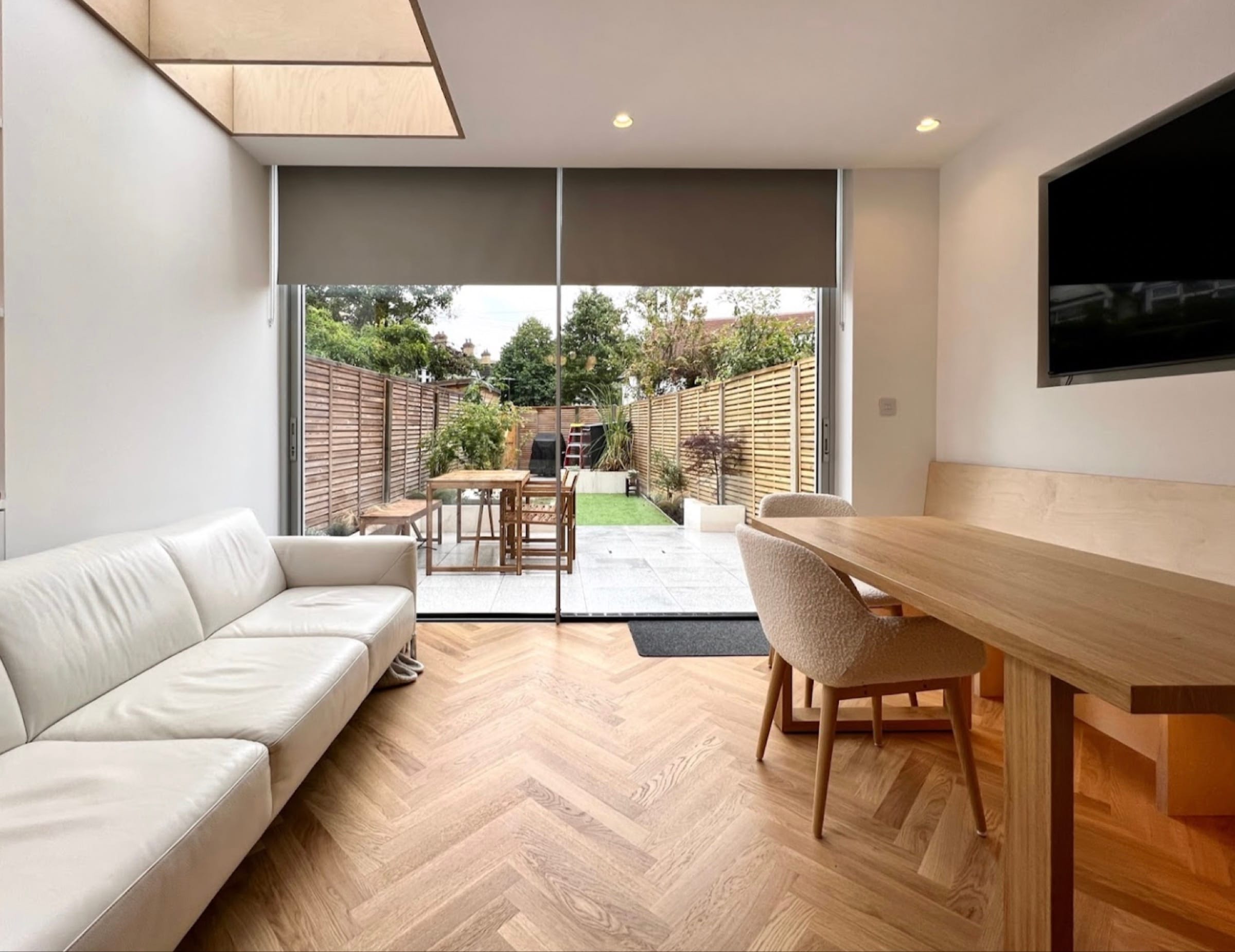 CostsThe Garden Wall: What Glazing Actually Costs in a Rear ExtensionStandard aluminium, bifold, slim sliders or steel — the five rungs of a rear-extension garden wall, costed per square metre and over one real opening we measured.
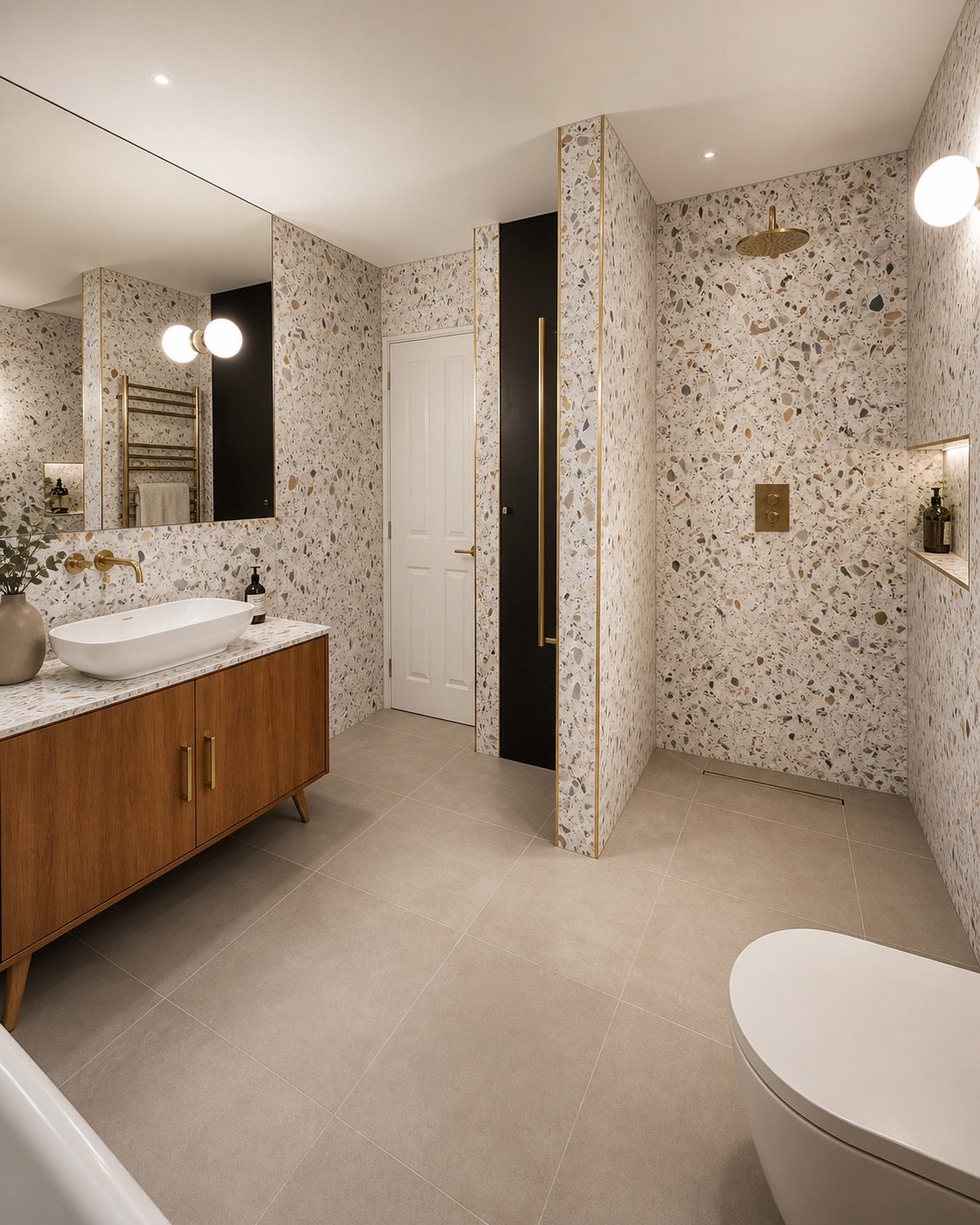 CostsA Pod Bathroom in Fulham: What Four Choices Actually CostUnderfloor heating, aluminium instead of PVC, full-height tiling, a dual-fuel towel rail. What each one moved a measured Fulham pod bathroom quote by, line by line.