
The Garden Wall: What Glazing Actually Costs in a Rear Extension
Standard aluminium, bifold, slim sliders or steel — the five rungs of a rear-extension garden wall, costed per square metre and over one real opening we measured.

- 4.8★ Google · 17 reviews
- £500 per week if we finish late
- £17m insurance cover · £5m public liability
- 12-month warranty on second-fix fittings · HomePro registered
- £550 survey credited in full

The garden wall is where an extension budget concentrates. Standard aluminium sliders are the cheapest way to get a wide opening; the slim-sightline rung costs about half again, and the premium named system prices on that rung rather than above it.
- £1,050 /m²
- supply, the cheapest wide opening — a 2-pane aluminium slider
- £1,500 /m²
- supply, the 25 mm slim-sightline rung
- £1,515 /m²
- what the premium named system worked out at on a job we delivered
- £1,200
- to fit any of them — the same morning, whatever the frame cost
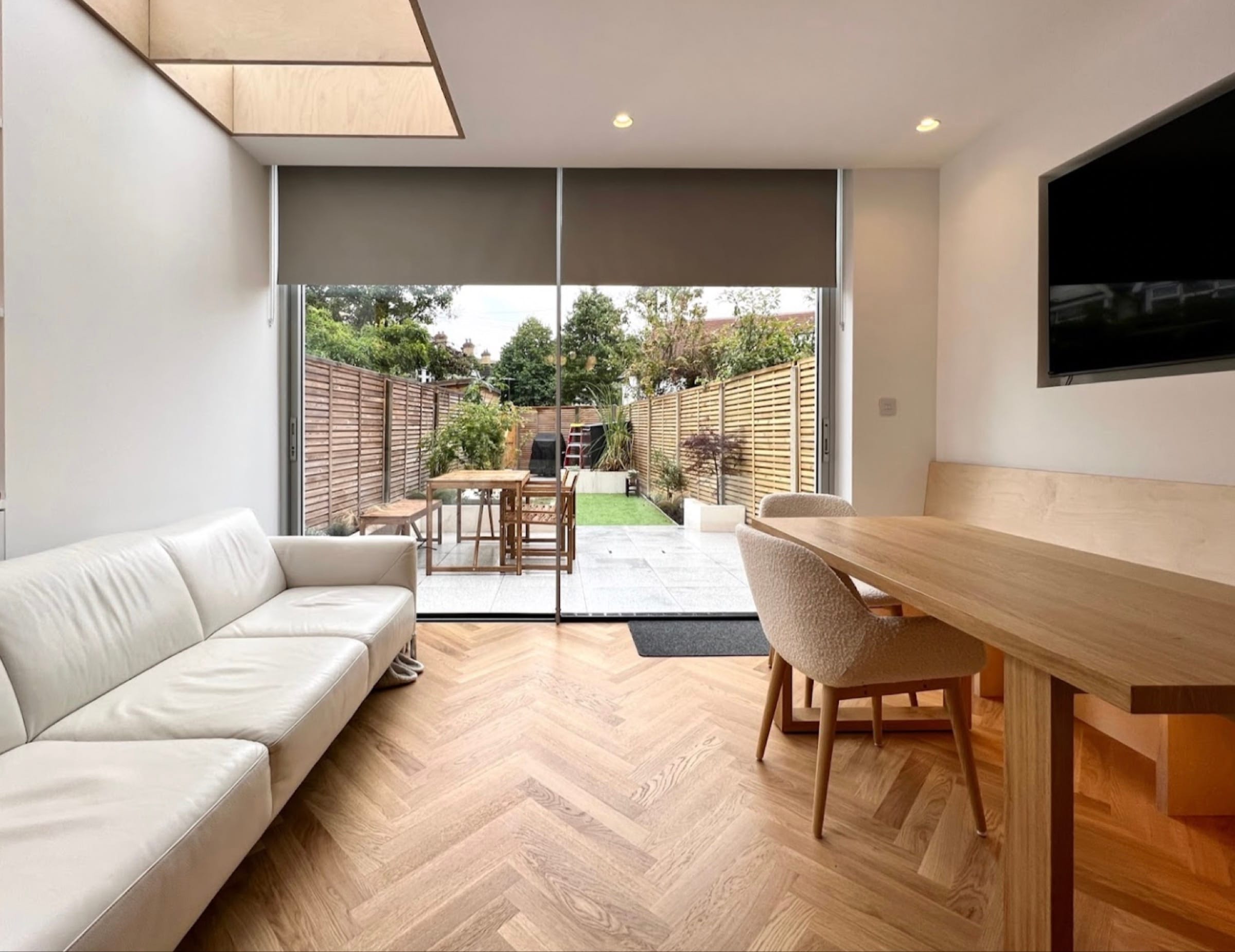
A rear extension spends more per square metre on its garden wall than on anything else it contains, and the ladder runs from about £1,050 a square metre to £2,800. Below is what each rung buys, costed first per square metre and then over one opening we actually measured and fitted. Every figure is ex VAT, off our own rate library and a delivered job, and none of it is a quote for your house — the estimator prices that, and the extension cost guide covers the rest of the build.
Supply rate at mid spec, then the same choice costed over one real opening — 5.61 m². Ex VAT.
| Option | Supply £/m² | vs cheapest | Supply + fit, 5.61 m² |
|---|---|---|---|
| Aluminium slider, 2 panesmost commonThe cheapest way to get a wide opening. Two large panes, one sliding past the other, so half the opening is always glass you cannot walk through. | £1,050 | — | £7,090.50 |
| Aluminium bifoldFolds back so the whole opening clears. The trade-off is standing frames: five or six vertical bars across the view when it is shut, and a stack taking up wall when it is open. | £1,150 | +9.5% | £7,651.50 |
| Aluminium slider, 3 panes or pocketTwo thirds of the opening clears, or all of it if the panes pocket into the wall. Pocketing has to be designed before the blockwork goes up — it is not a late change. | £1,350 | +28.6% | £8,773.50 |
| Minimal slider, 25 mm sightlineThe frame between two panes is about a finger wide. This is the rung that reads as architecture rather than as doors, and the one where the cost is in the engineering, not the glass. | £1,500 | +42.9% | £9,615.00 |
| Steel sliderA different material and a different look — slim, dark, period-correct against brick. Heavier, dearer, and the one option on this list where the frame is the point. | £2,800 | +166.7% | £16,908.00 |
Fitting is £1,200 a set on every row — the same crane, the same morning, whatever the frame cost. Where 2VP procures the glazing the supply element carries a 10% client discount that is not in these figures.
Why the cheapest rung is a slider, not a bifold
In shortA two-pane slider is the cheapest wide opening. Bifolds cost more and interrupt the view more — the opposite of what most people assume.
A bifold was the default ten years ago and the assumption has outlived the pricing. On our ratecard an aluminium bifold supplies at about £1,150 a square metre against £1,050 for a two-pane slider, so it is dearer, and it is also the busier of the two to look at: five or six vertical frames stand across the opening when it is shut, and when it is open they stack against a wall you then cannot use.
The slider's honest weakness is different. Only half the opening clears, because one pane slides behind a fixed one. If you want the whole width open you are into a three-pane or pocketing slider at about £1,350, and if you want that and a thin frame you are on the rung above.
The premium system prices on the slim rung, not above it
In shortA named premium folding door we delivered worked out at £1,515/m² — within 1% of our own slim-sightline rate of £1,500.
This is the comparison the question usually means, and it is worth doing with a real unit rather than a brochure.
On a London rear extension we delivered, the garden opening was a Cortizo folding door, 2,670 by 2,100 mm, quoted at £8,500. Over its measured glazed area that is £1,515 a square metre.
Quoted per unit on a delivered London job. The rate per square metre is worked out from the measured size, not quoted.
| Unit | Size | Glazed area | Quoted | Works out at |
|---|---|---|---|---|
| Cortizo folding doorThe garden opening on a delivered London job. | 2670 × 2100 mm | 5.61 m² | £8,500 | £1,515/m² |
| Cortizo external doorA single courtyard leaf on the same job. A small unit always costs more per m² than a wide one — the frame and the ironmongery do not shrink. | 900 × 2100 mm | 1.89 m² | £2,500 | £1,323/m² |
Our own slim-sightline rate is £1,500 a square metre. So the named system did not sit a tier above the slim rung — it sat on it, within about one per cent. Against the cheapest wide opening on the ladder it is roughly 44% more, and against a standard bifold about a third more.
The useful conclusion is not "the premium system is overpriced" or "it is a bargain". It is that the sightline is what you are buying, and the sightline has a price. Once you have decided you want a frame about a finger wide between two panes of glass, you are paying something close to that rate whoever fabricates it, and the remaining choice is about lead time, tolerance and after-sales — which is why we default to one fabricator and will still price against others if you ask.
Windows and glazing come from our own AtoZ Design & Glass, and kitchens and joinery from Selection.Works, so those two trades are not subcontracted out. Where we procure the glazing rather than you, the supply element carries a 10% client discount that is deliberately not in any figure on this page.
The small unit is the expensive one per square metre
In shortThe same job's single courtyard door cost £2,500 for 1.89 m² — £1,323/m², because frames and ironmongery do not shrink.
The second unit on that job was a single courtyard leaf, 900 by 2,100 mm, at £2,500. That is £1,323 a square metre — cheaper per square metre than the big folding door only because it is a simpler mechanism, and far dearer per square metre than a wide slider would be, because a door has a frame on four sides, a lock, hinges and a threshold whatever its size.
This is the arithmetic that makes small amounts of glazing feel disproportionate on a quote. A 1.9 square metre door and a 5.6 square metre folding wall are not three times apart in price; they are a bit over three times apart in area and nothing like it in cost per unit of area.
What the frame material does to the windows
In shortuPVC to steel is a four-fold range on supply, and the add-ons multiply whichever row you chose.
Supply per m², three points off the ratecard rather than a band. Ex VAT, fitting separate.
| Frame | Low | Mid | High |
|---|---|---|---|
| uPVCThermally fine and visually the widest frame on the list. On a rear elevation nobody photographs it is a sound decision; on a front elevation in a conservation area it is usually refused. | £450 | £550 | £650 |
| Aluminium, standard framedefaultThe default. Thermally broken, powder-coated to any colour, and slim enough that the glass reads as the opening. | £650 | £800 | £950 |
| Aluminium, slim frameThe same material with more glass and less frame. The ratecard notes it at 15–30% over standard, which is what the figures below work out to. | £850 | £1,000 | £1,200 |
| TimberWhat a conservation officer asks for at the front, and what needs repainting on a cycle nobody budgets for. | £900 | £1,100 | £1,300 |
| SteelThe slimmest frame made, and roughly twice aluminium to buy. | £1,400 | £1,800 | £2,400 |
Two specification changes multiply whichever row you pick rather than replacing it: Acoustic glass +30% and Triple glazing +25%. Both are percentages of the whole unit, not of the glass alone.
The windows in an extension are usually a smaller number than the garden wall and a bigger decision about how the building reads. Three practical notes:
Slim-frame aluminium is the cheapest real upgrade on this table. At about £1,000 a square metre against £800 for a standard frame, it buys more glass and less frame in the same opening for the same material and the same fitting cost.
uPVC is a sound rear-elevation decision and usually a refused front-elevation one. On a garden elevation nobody photographs, the money is better spent on the opening to the garden. At the front, in a conservation area, it will not get past the officer.
Steel is a look, not an upgrade. At roughly twice aluminium it is the only row on the table where the frame itself is the point rather than a constraint to minimise.
What this does not tell you
In shortRate-library figures at mid spec, ex VAT, before a survey — a way of reading a quote rather than a price for your opening.
Every figure here is ex VAT and sits at the middle of three points our rate library carries, because a glazing rate moves with the aluminium price, the colour, the glass specification and how many weeks the fabricator is quoting. The low and high columns on the window table are there so the shape of that movement is visible rather than hidden inside an average.
What transfers to your job is the structure, not the numbers: that a slider is cheaper than a bifold, that the slim rung costs about half again as much as the cheap one, that a named premium system prices on the slim rung rather than above it, that small units cost more per square metre than large ones, and that the labour to fit any of it is flat. Our extensions page covers how the rest of the build is priced, and no variation happens without your written approval: every one is priced and dated before a penny is spent on it.
Straight answers
The home you actually want, finished on the date in the contract — and you watch every day of it happen from your phone.
We finish on the agreed date, or we pay you £500 for every week we are late.
The date is in the contract, and so is this. Only a variation you approve can move it.
Everything included, line by line
- 10% to mobilise, then weekly against work already done — with 5% held past handover: 2.5% released at practical completion and 2.5% at the end of the 12-month defects period
- £550 survey fee credited in full against your contract
- Every variation priced and signed before a penny is spent
Your range appears as soon as you add your email. Quotes hold for 21 days, then materials re-price.
4.8★ from 17 Google reviews — including the 1-star, published in full. We are not the cheapest. If price is the only factor, we may not be the right fit — and that is fine.
More from the guides
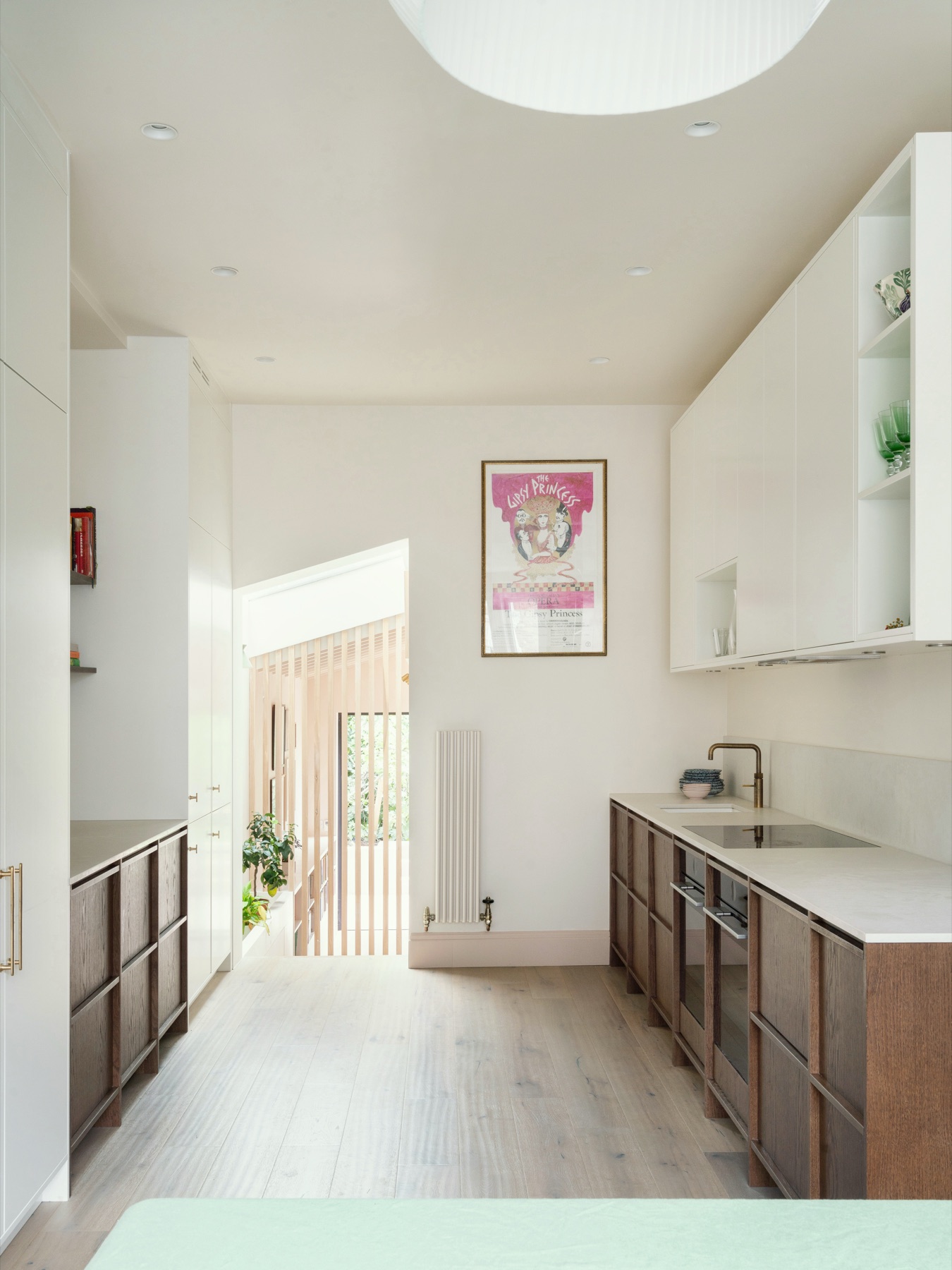 CostsA Wrap-Around Extension Priced Three Ways: What Design and Build Actually CostsA real London wrap-around extension quoted three ways: the three phases, nine milestones, two decision gates, and where every pound of the total went.
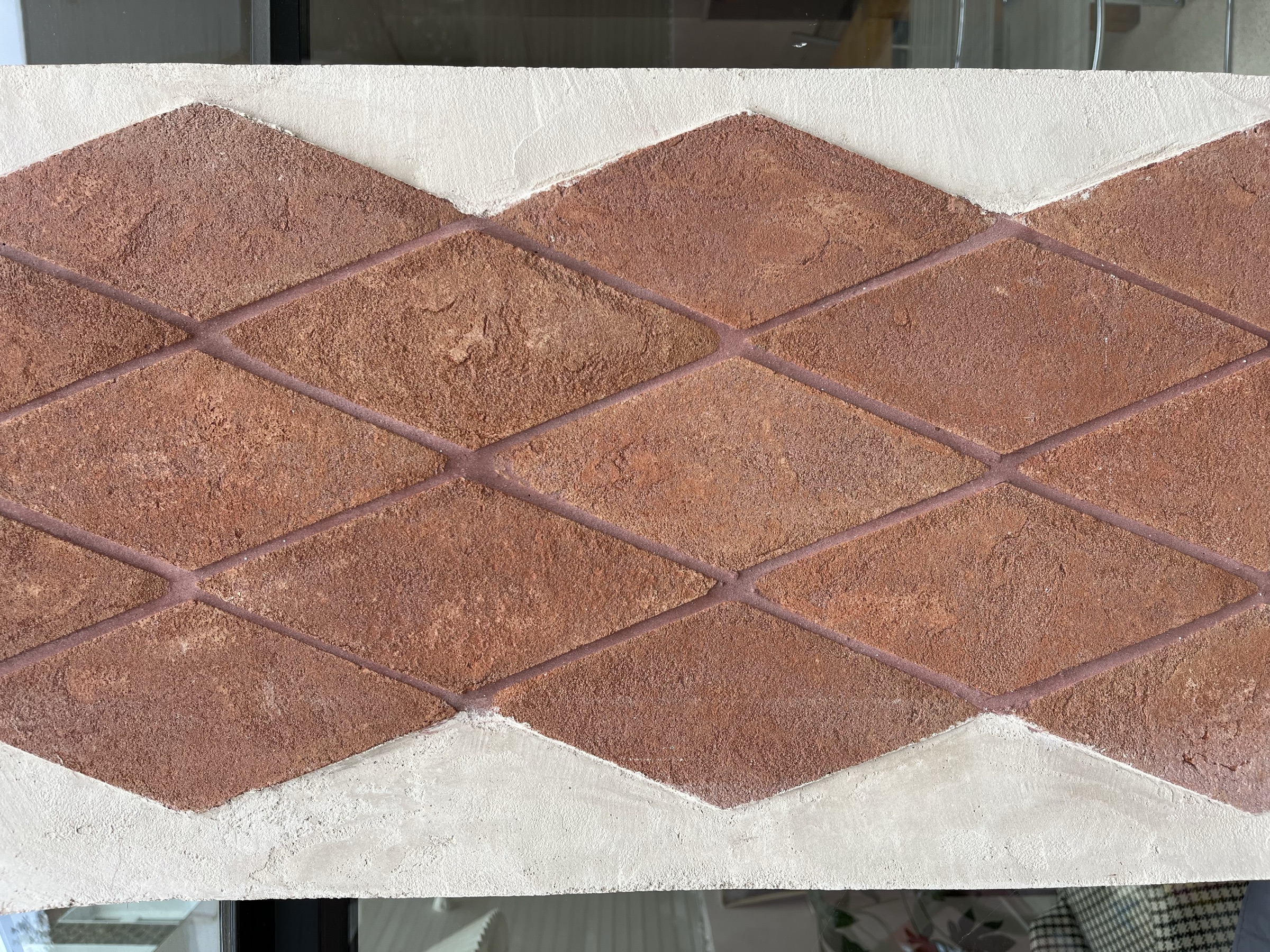 On siteWhen Repointing Has Failed, and What Goes BackCement pointing on a soft London brick sends the damage into the brick instead of the joint. How to read a failed joint, and the mix that goes back.
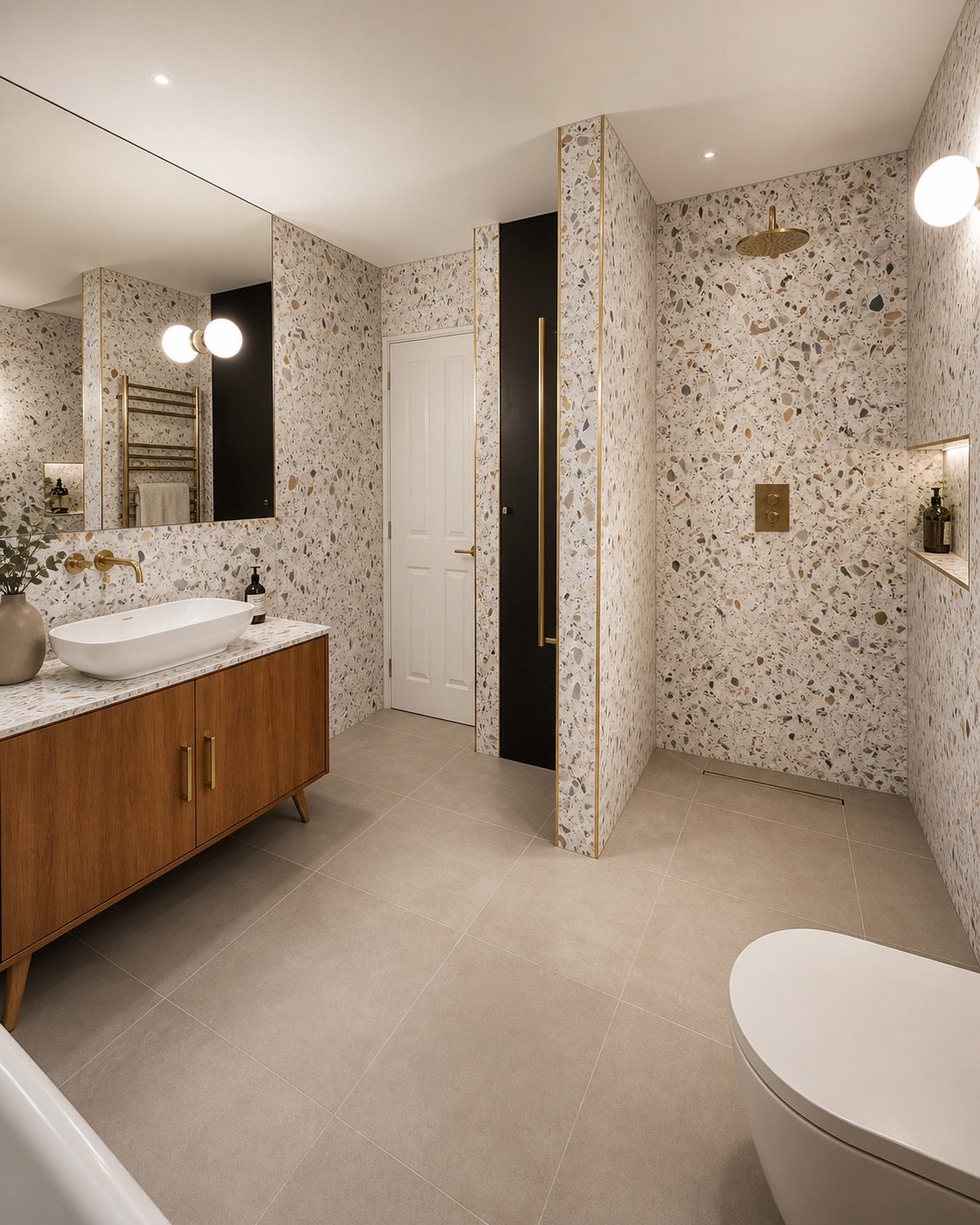 CostsA Pod Bathroom in Fulham: What Four Choices Actually CostUnderfloor heating, aluminium instead of PVC, full-height tiling, a dual-fuel towel rail. What each one moved a measured Fulham pod bathroom quote by, line by line.
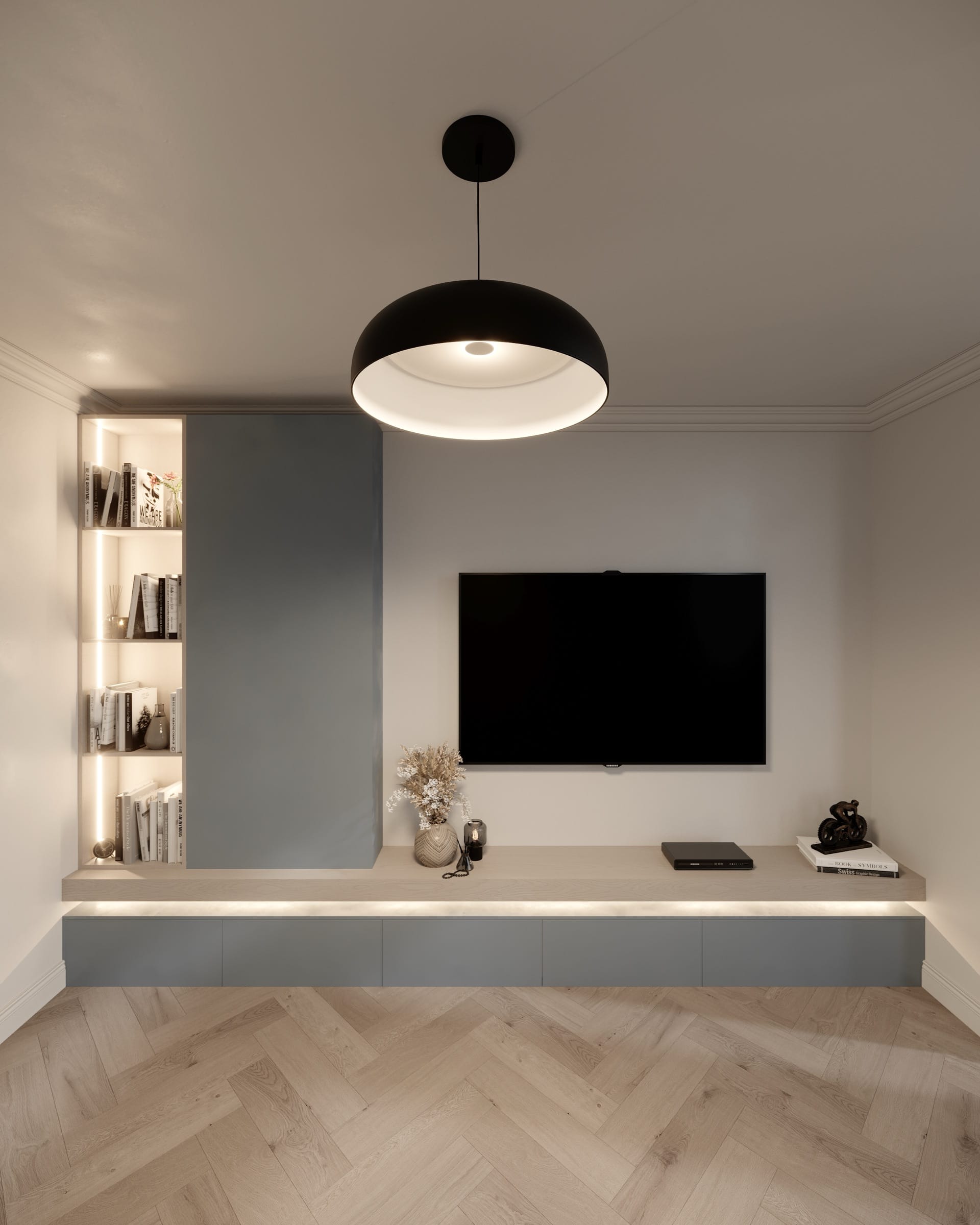 On siteWhy We Own the Joinery Workshop, and What It Changes On Your JobBespoke joinery goes wrong at the handover between who makes it and who fits it. What owning the workshop changes on your job, and where the argument stops.