
A resin bathroom over your existing tiles. No strip-out.
Floor, walls and inside the shower in one seamless material, 2–3 mm thick, bonded straight over the tiles you already have. No demolition, no dust from breaking out.
Price my bathroomYour price on screen in two minutes. No email needed to see it.
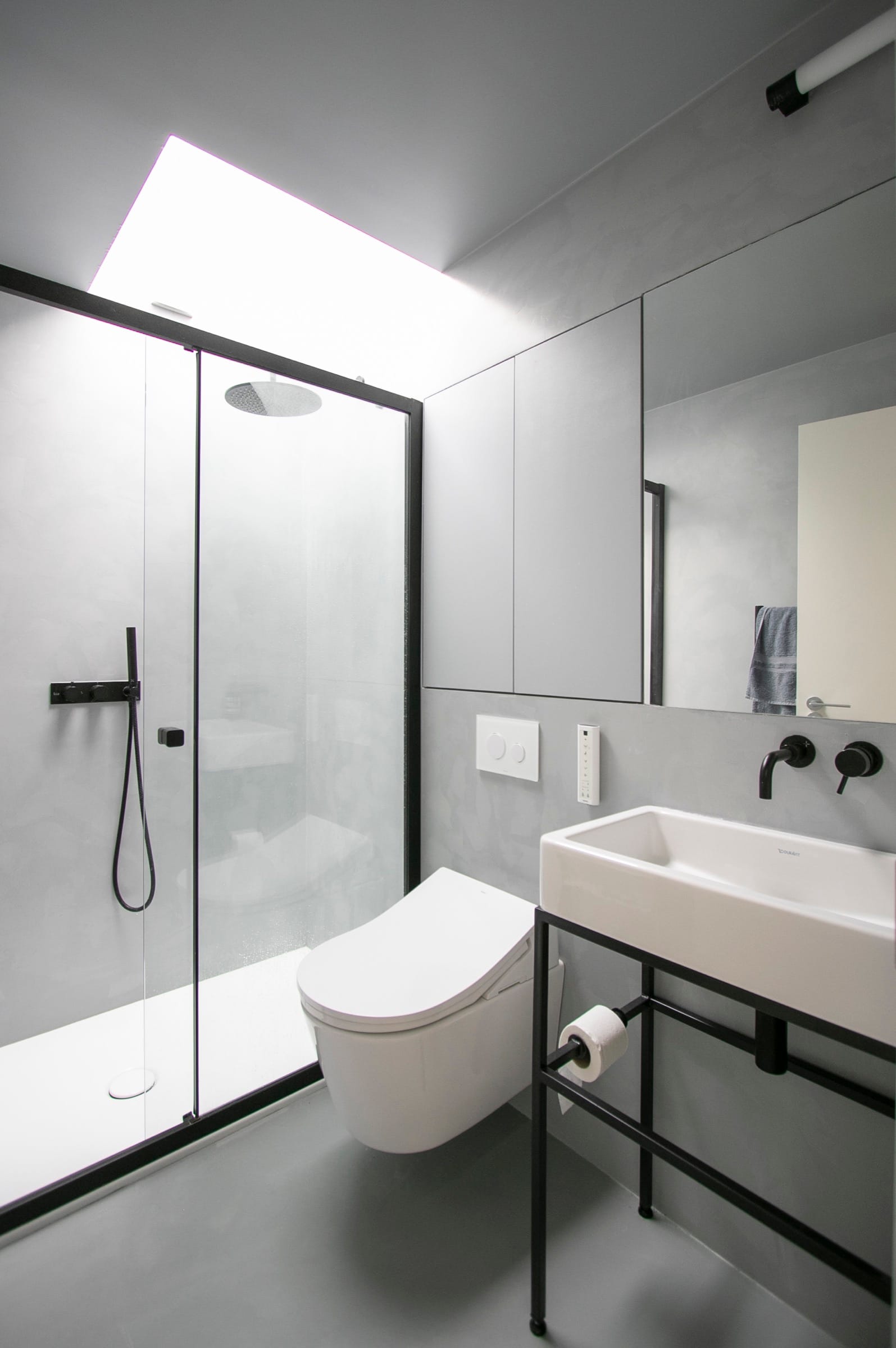
A seamless bathroom finish: no grout lines, no joints
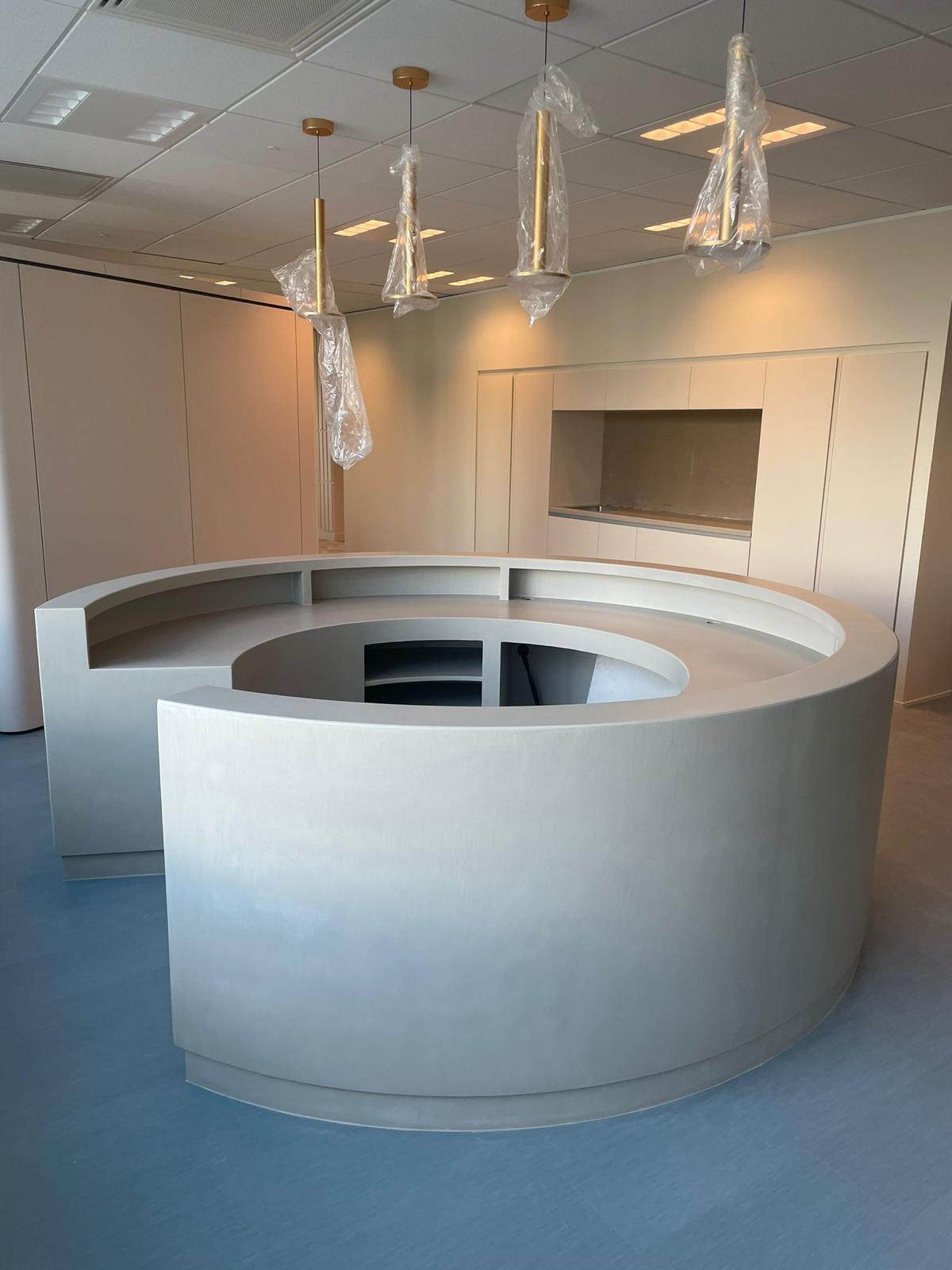
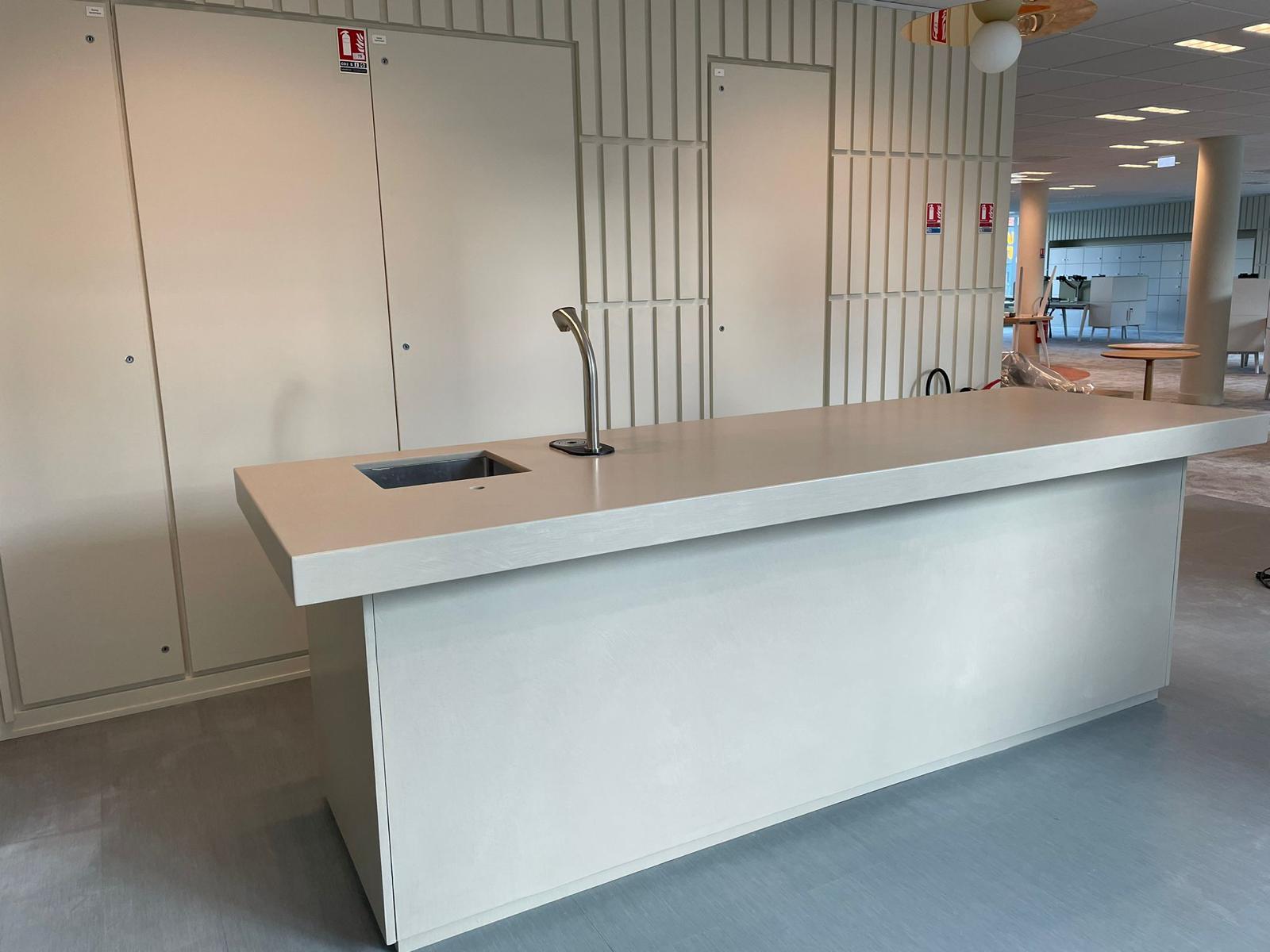
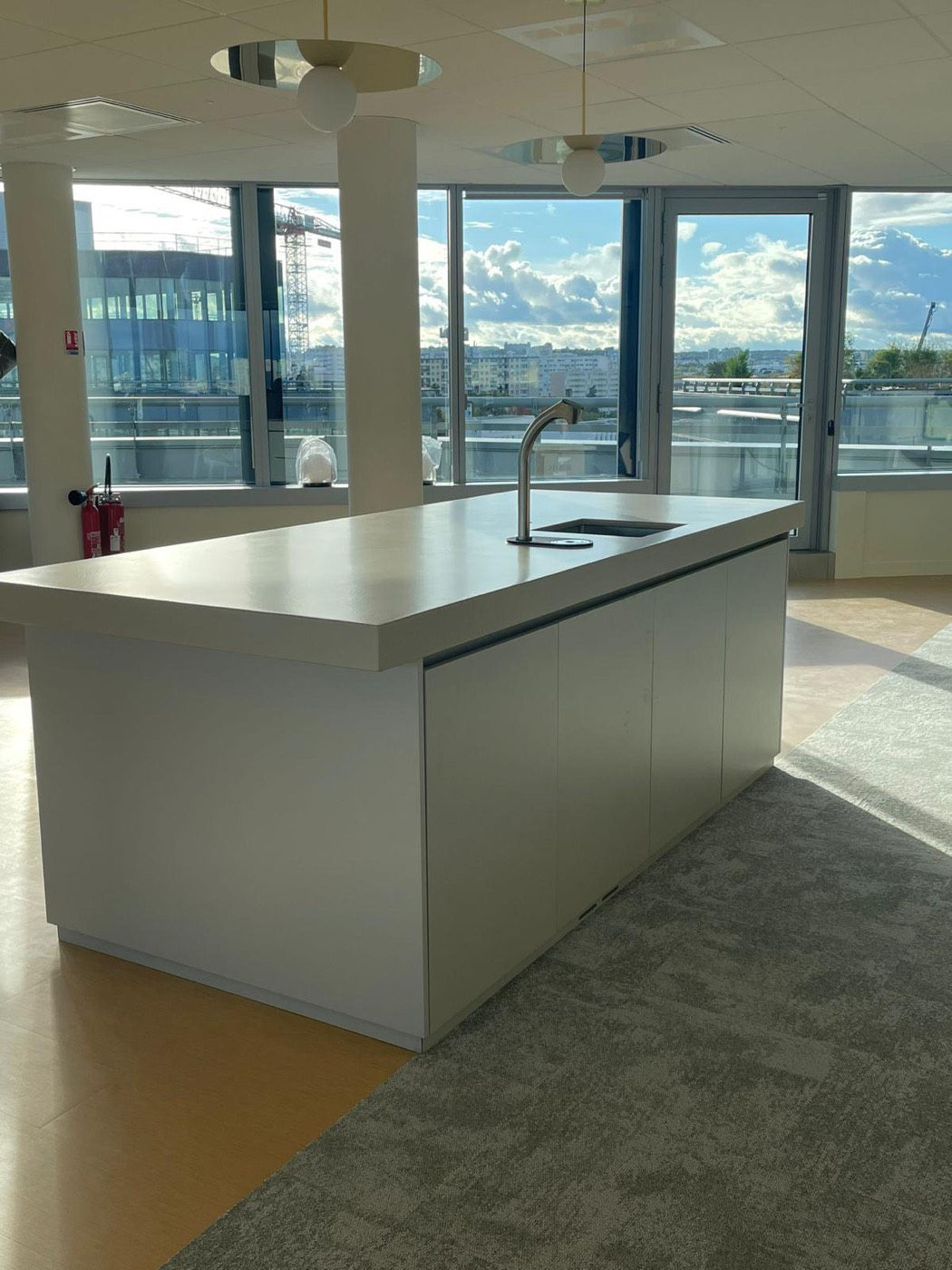
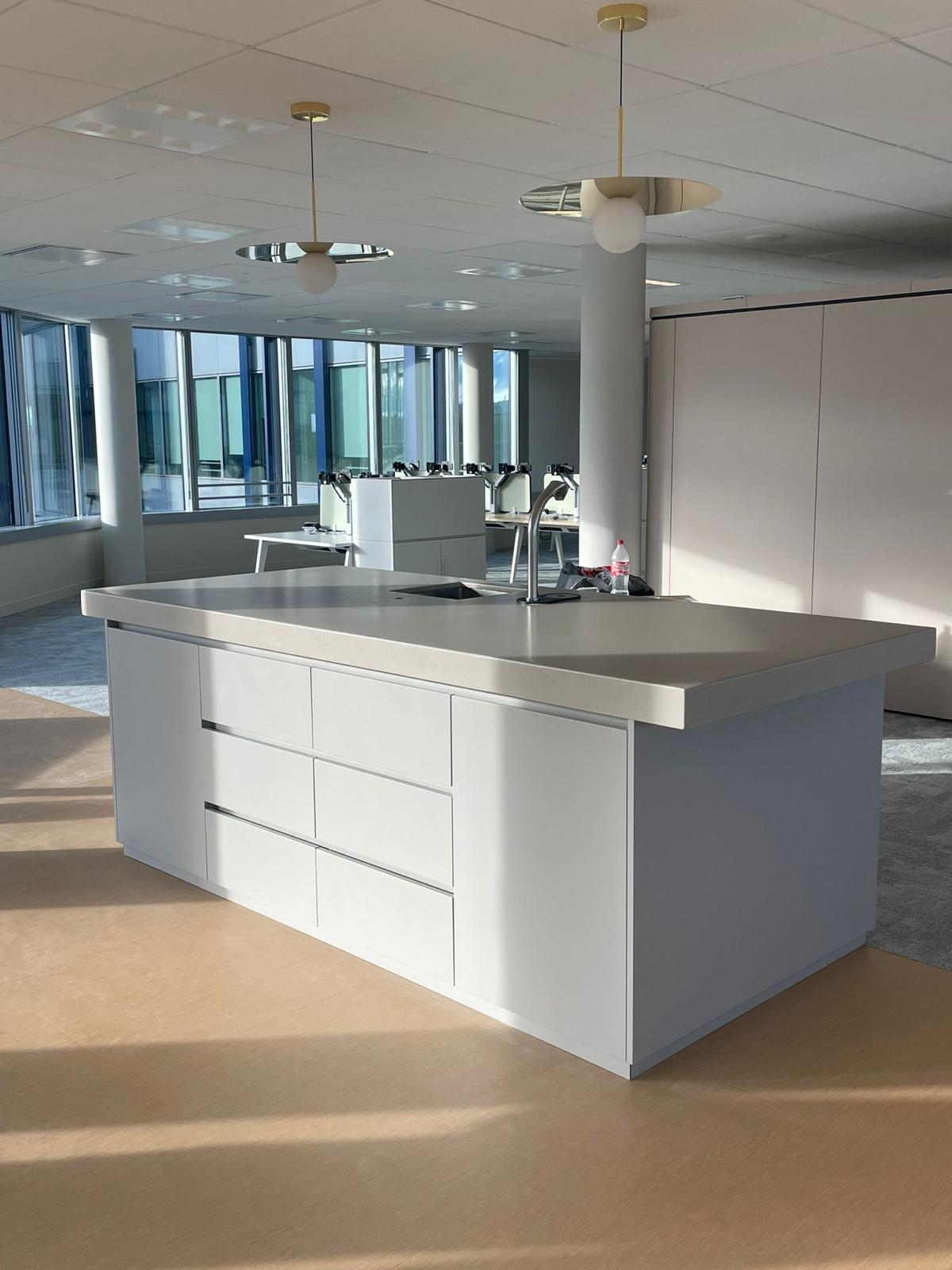
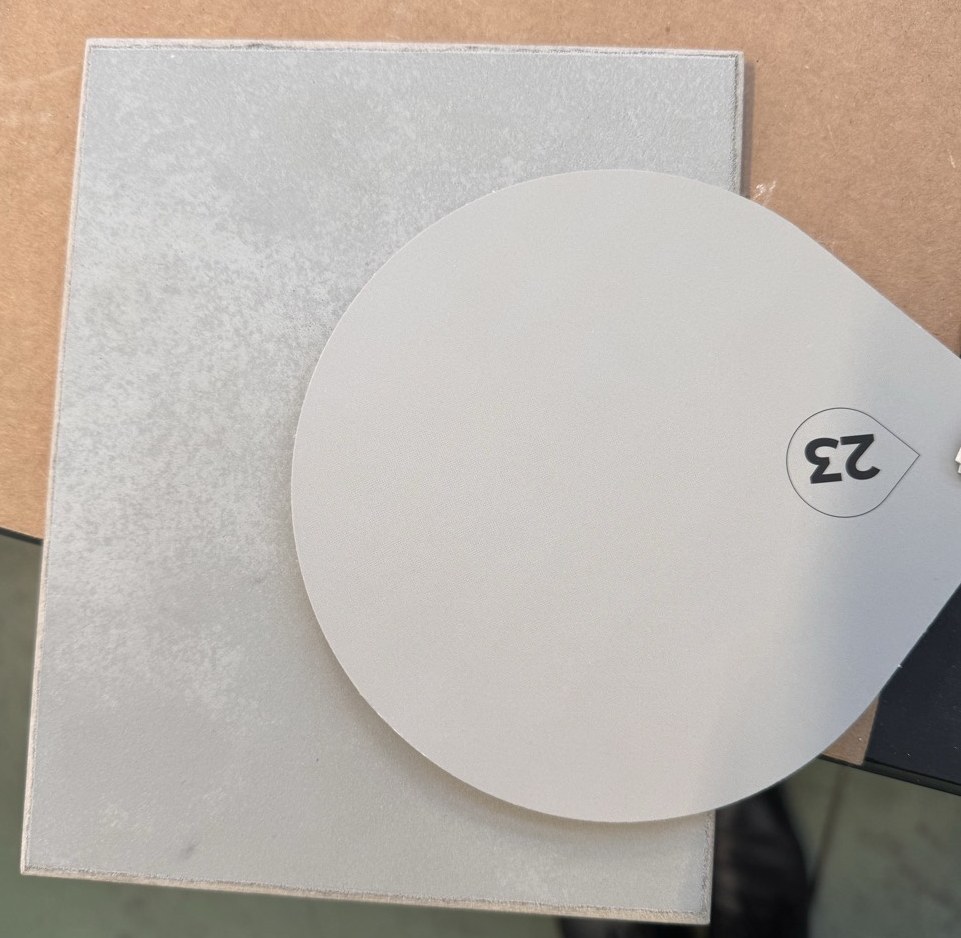
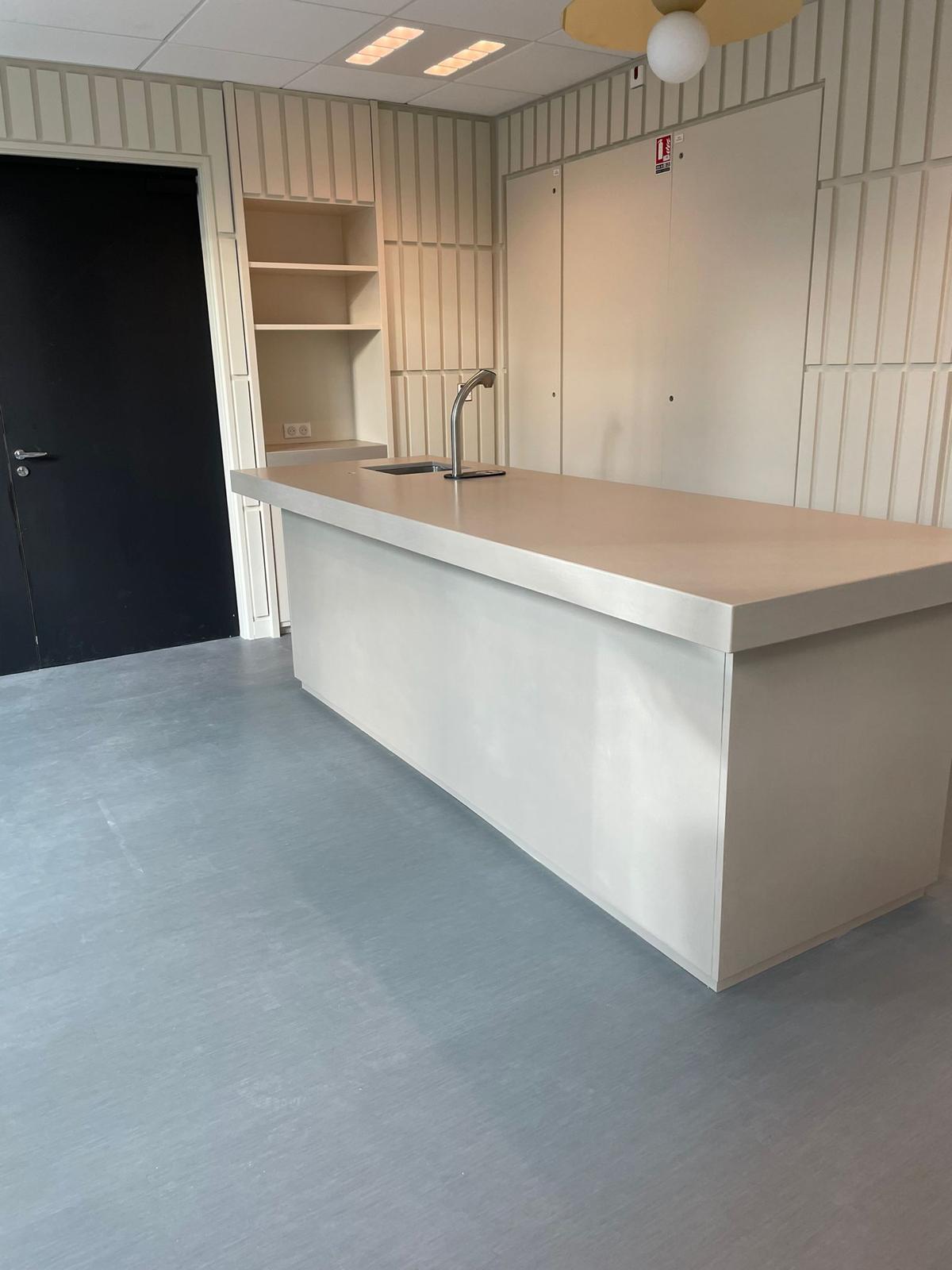
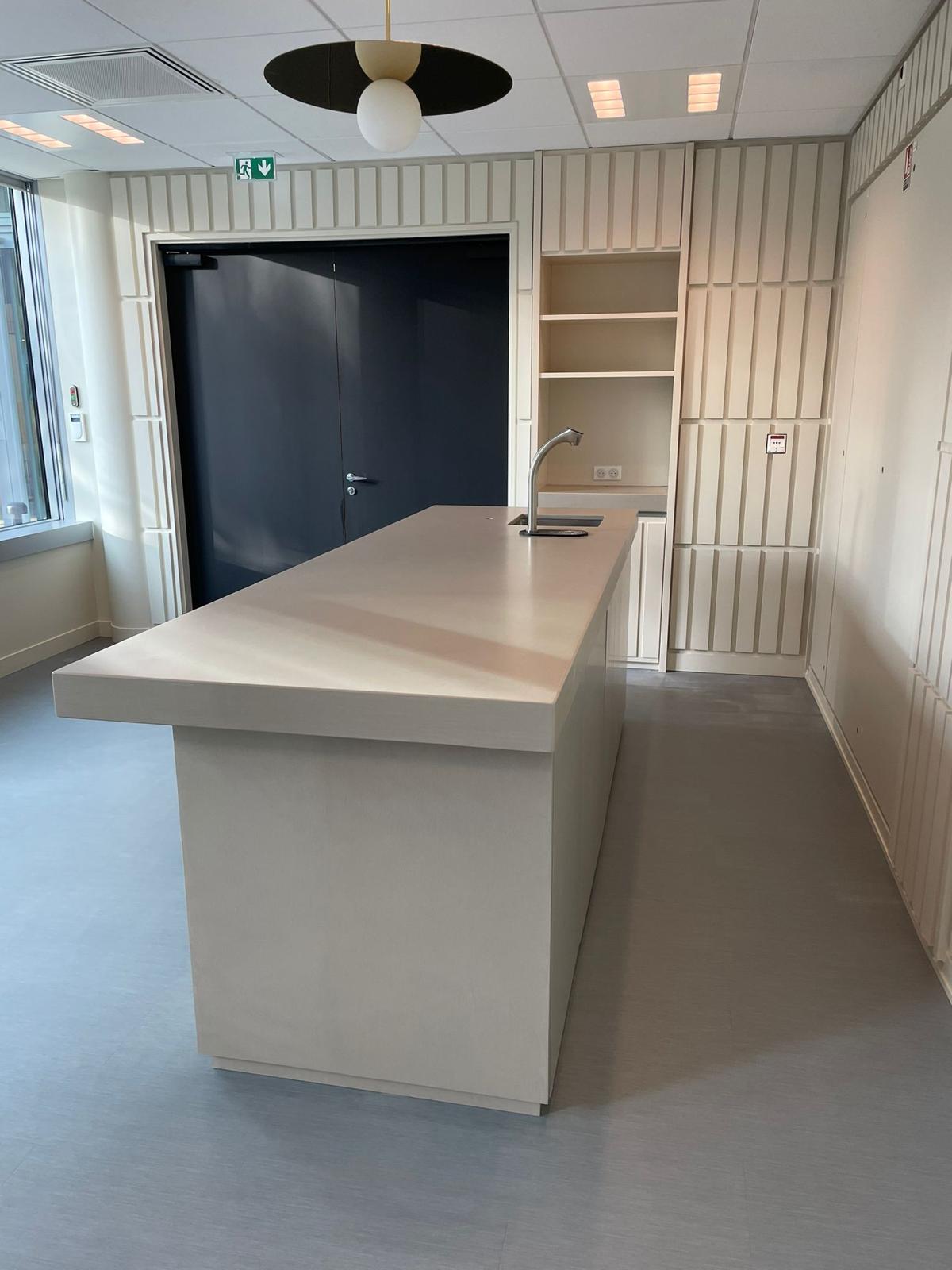
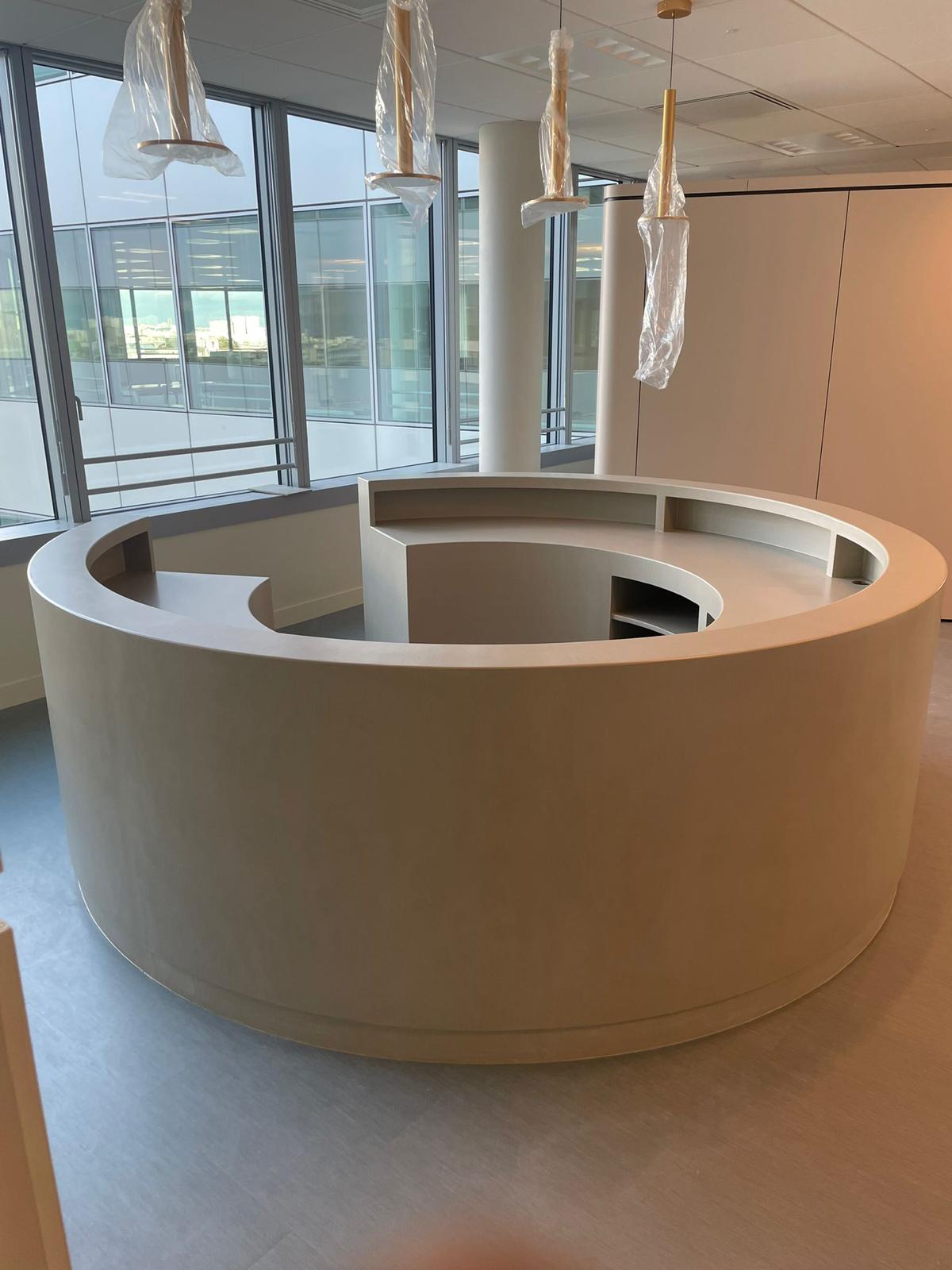
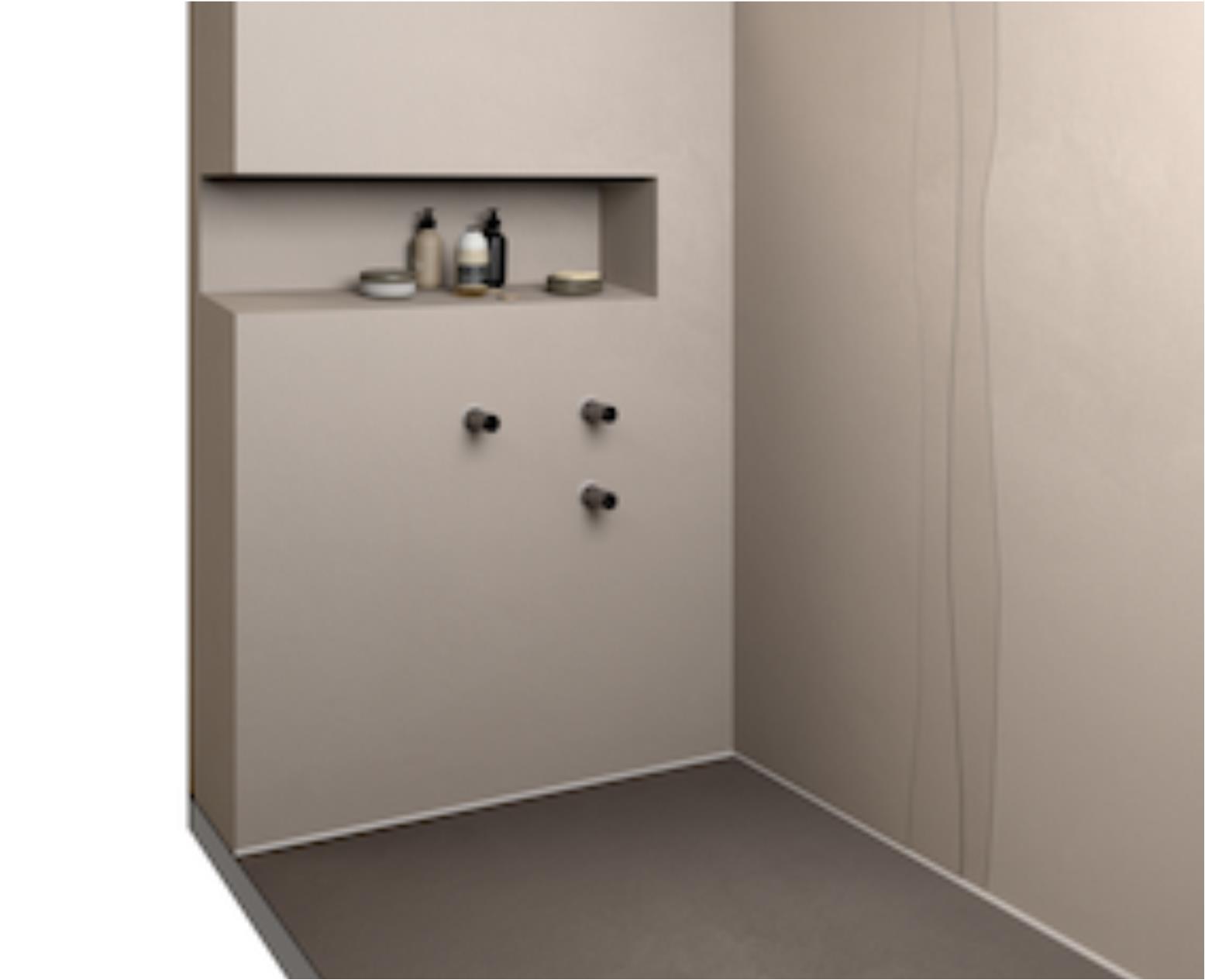
Nowhere for mould to start. A seamless shower room we built, a sample board, and Spazio Resina laid by our own applicators — each captioned for what it is.
Can you tile over tiles? Two tests decide it
You can run both yourself, today.
Tap the tiles
A dull note means bonded. A hollow one is a void, and a void moves — taking whatever went over it. A third of a wall means strip it.
Bounce on the floor
The more important. Jump on it. If you can feel the floor give, a rigid finish laid on it will crack, whatever it is made of — and nothing applied on top can stiffen it.
If your room fails either test, we will tell you why and what we would do instead. When to go over the tiles, and when to take them out.
Resin bathroom cost calculator — London prices
Your room, your scope, our rate card. The line-by-line breakdown comes by email.
Rated 4.8 on Google, from 17 reviews
“Extension went smoothly from start to finish. Communication was great throughout, and the team delivered exactly what we asked for. Thank you, 2VP!”— Dan Martea · Google, August 2026
London bathrooms we have built
Twelve delivered bathrooms, each a named project.
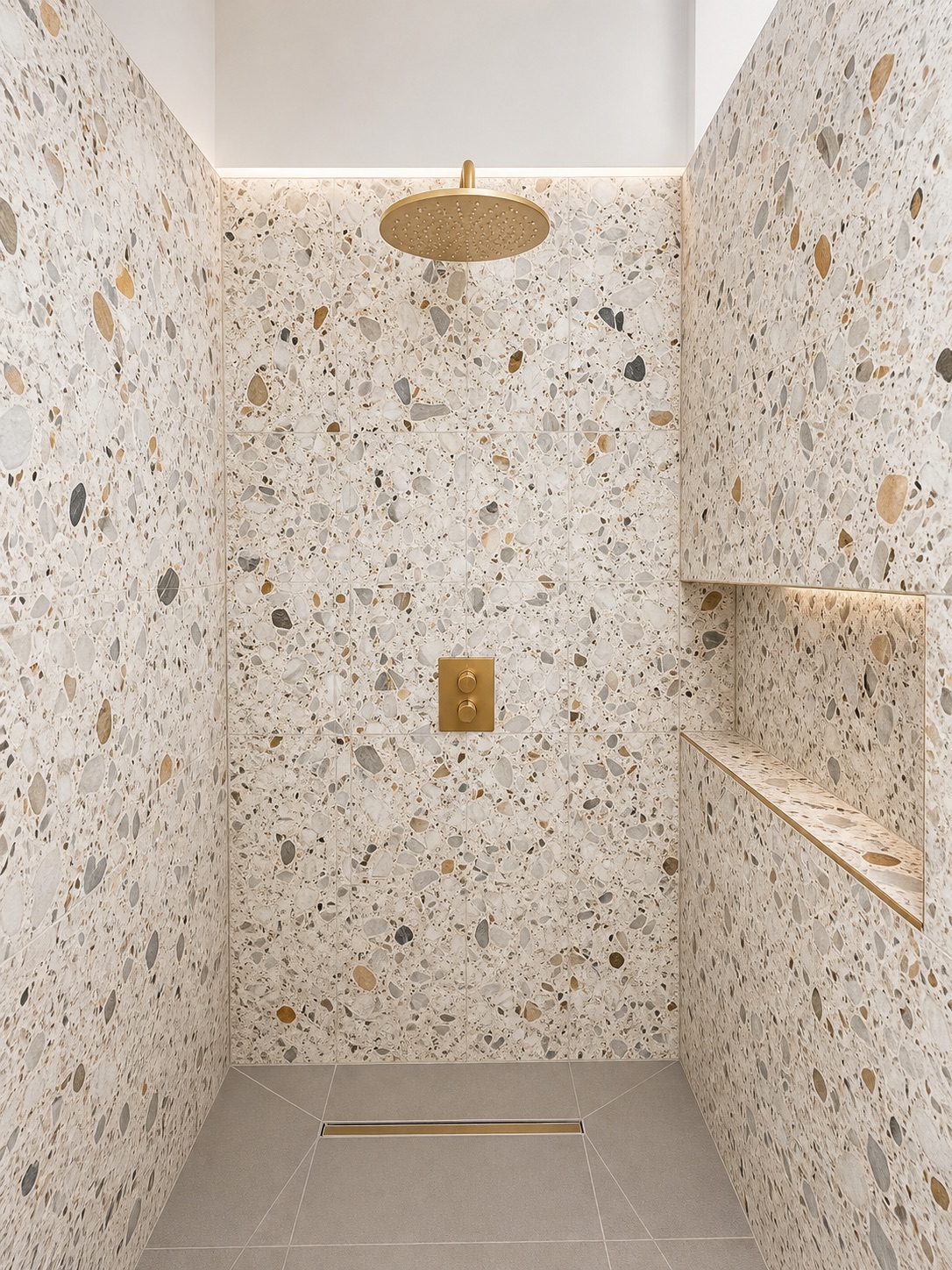
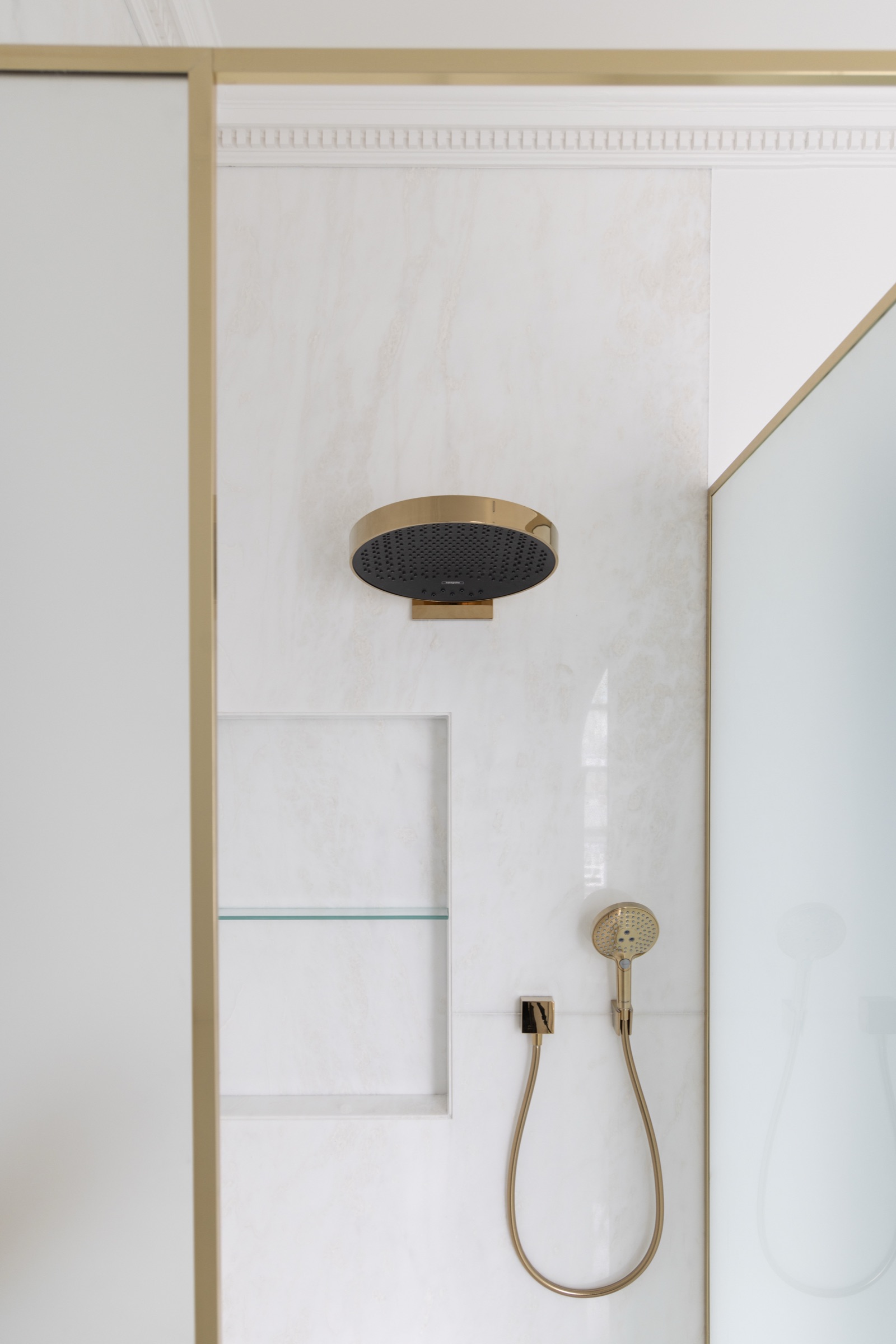
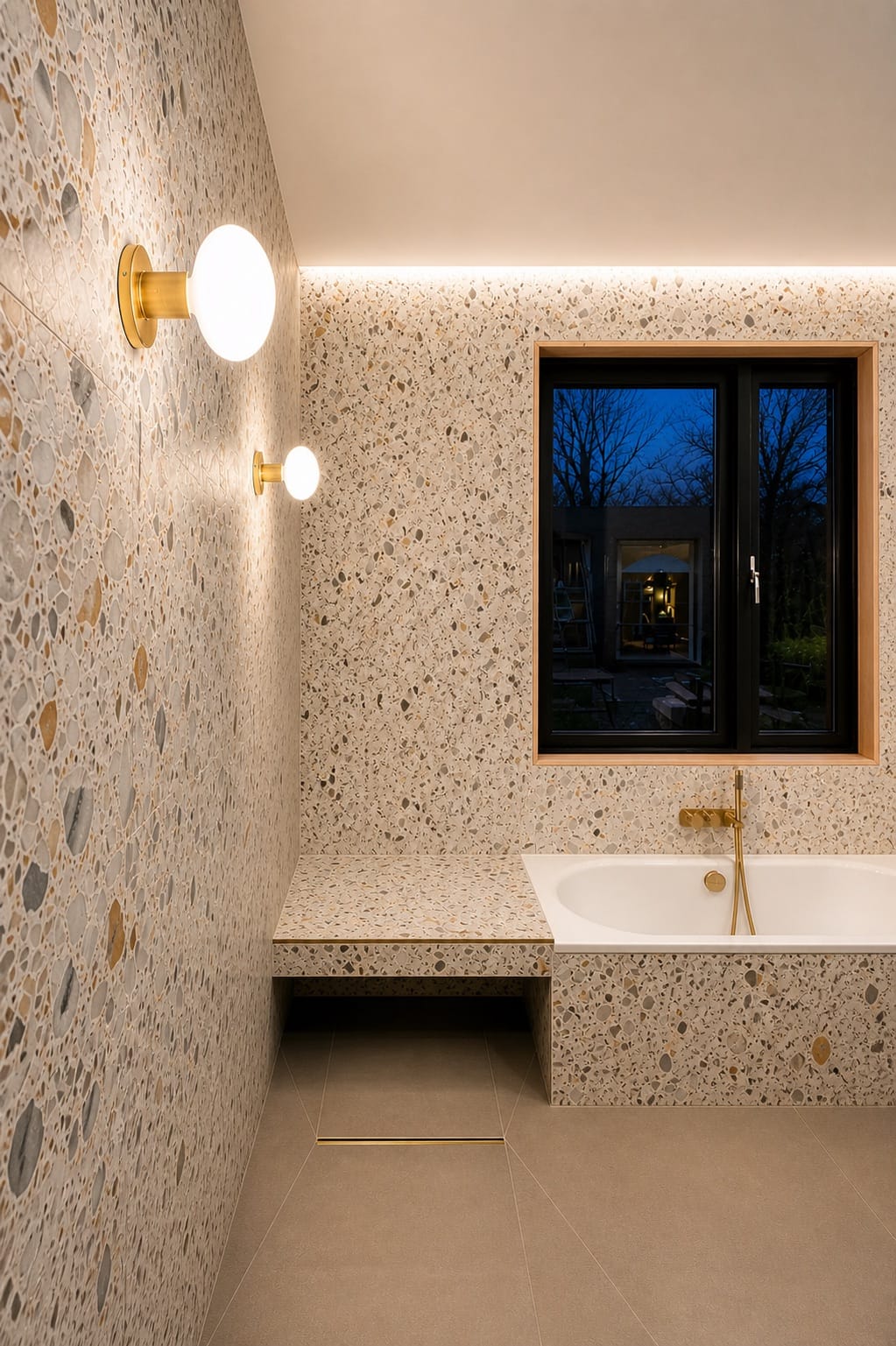
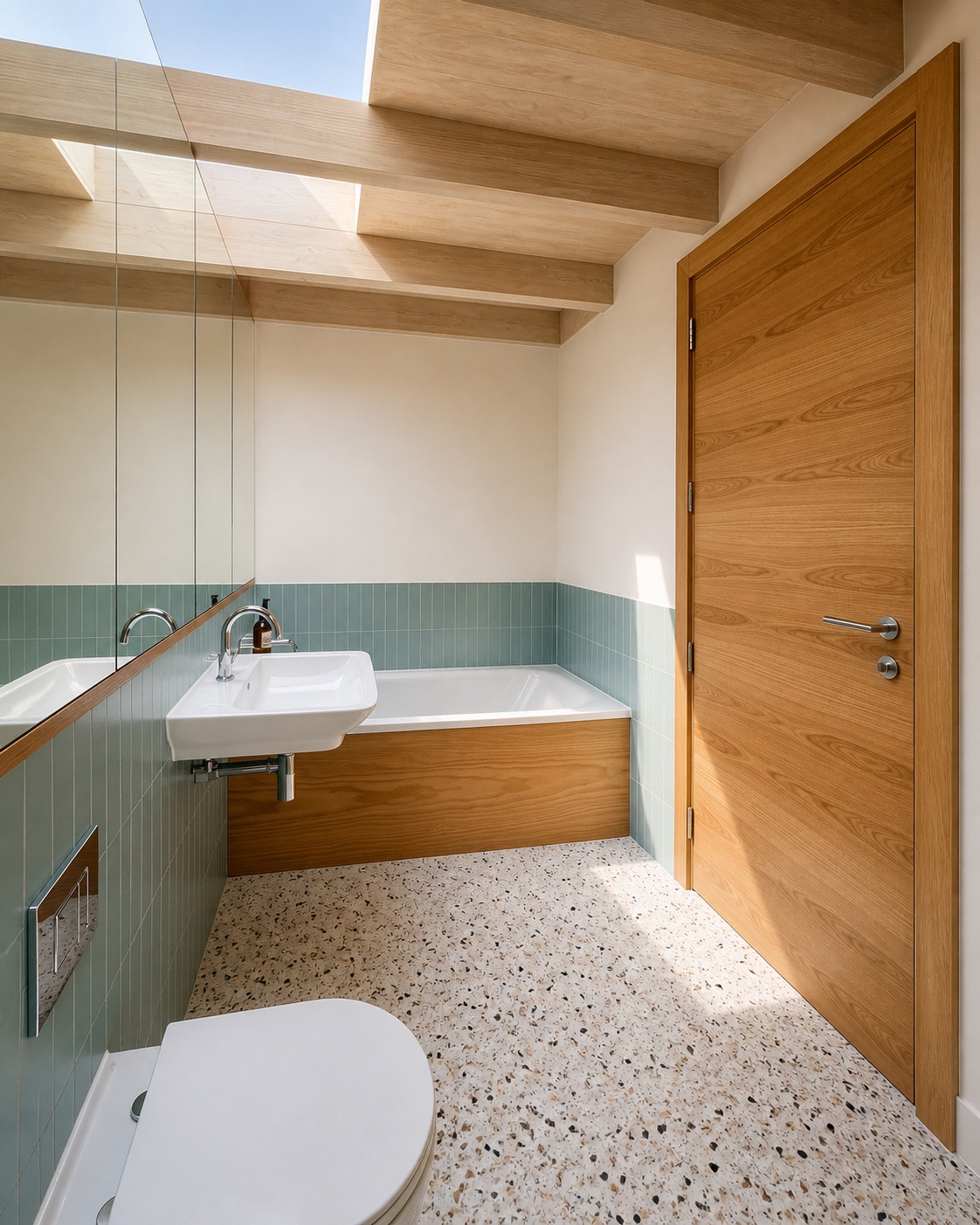
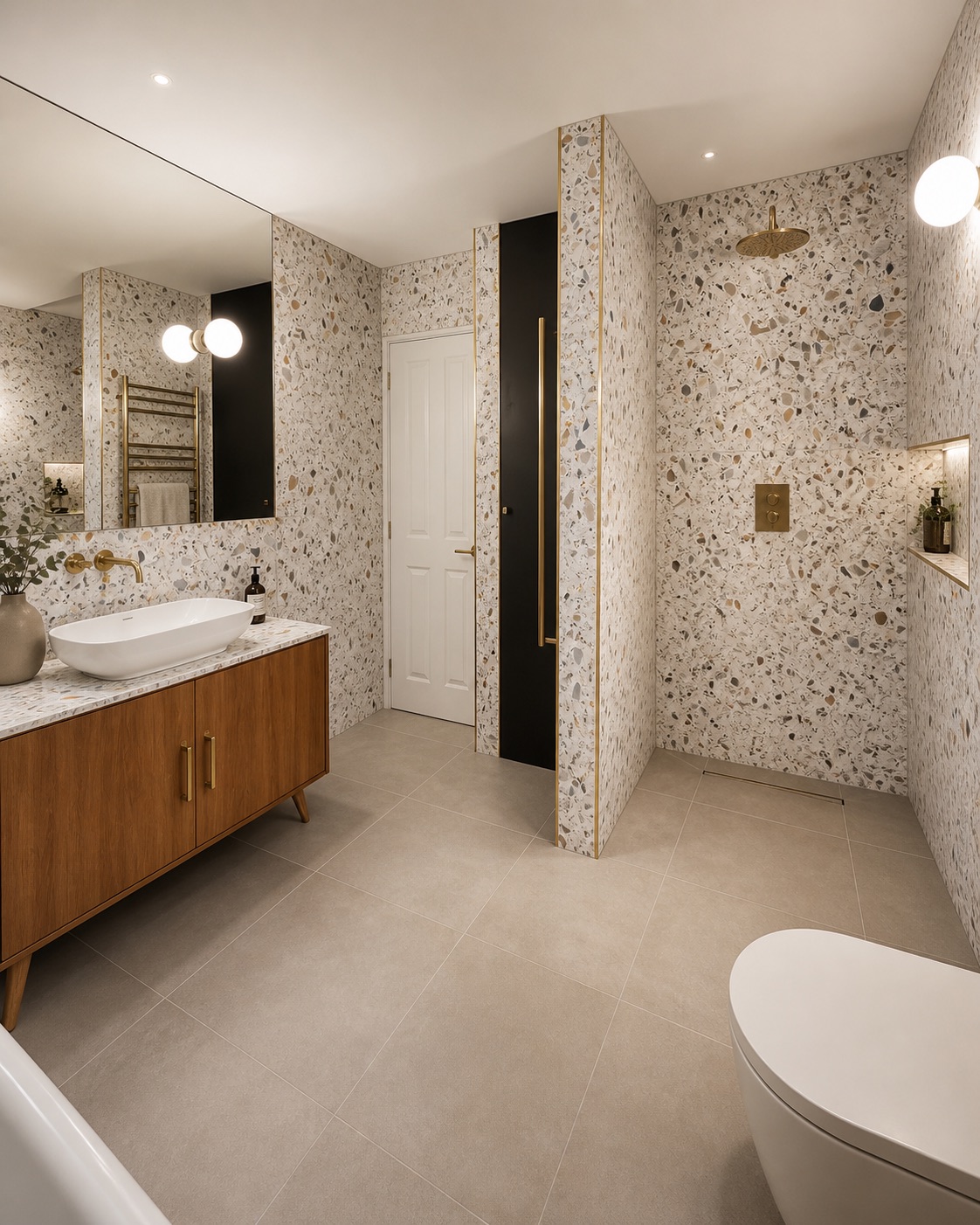
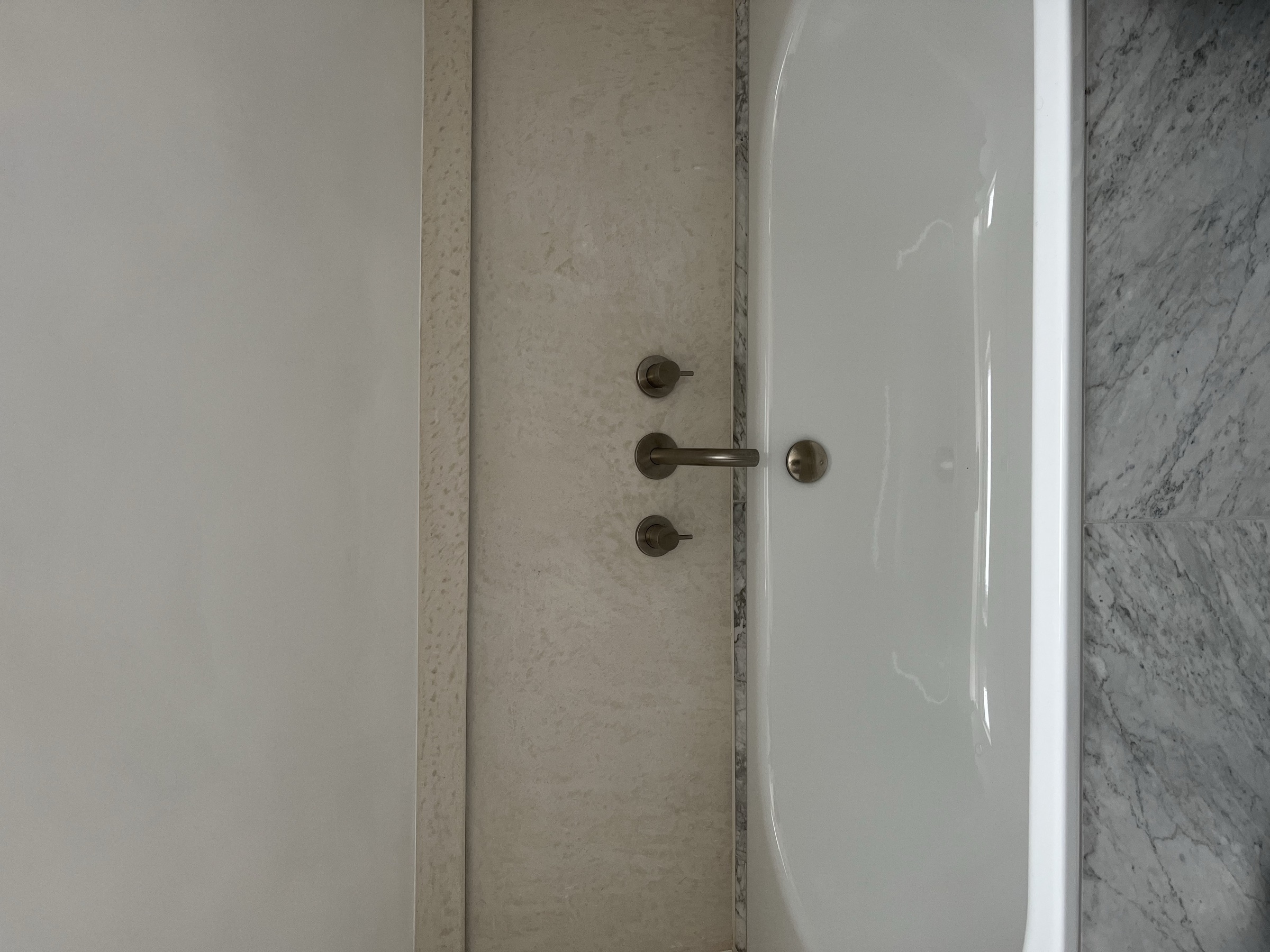
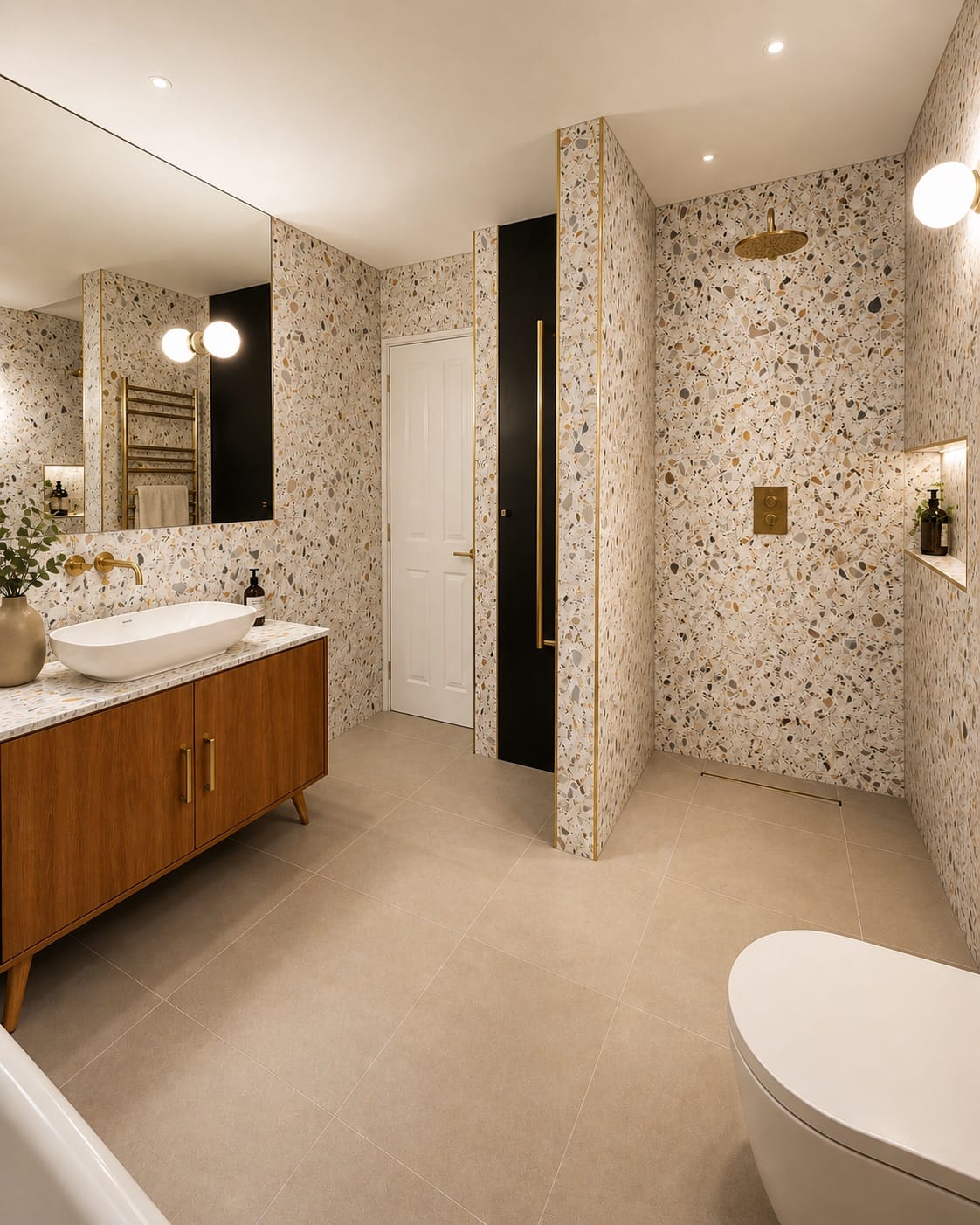
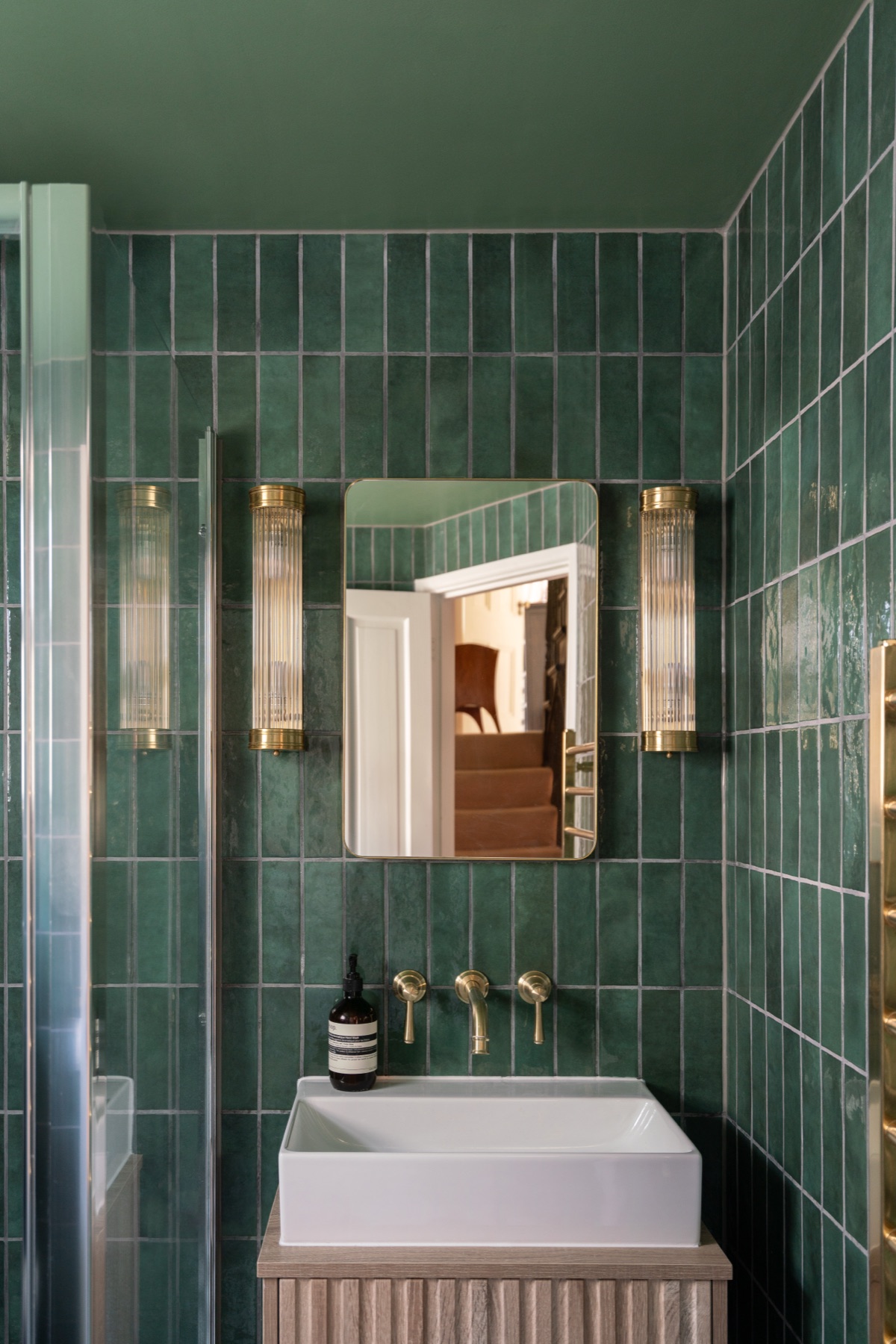
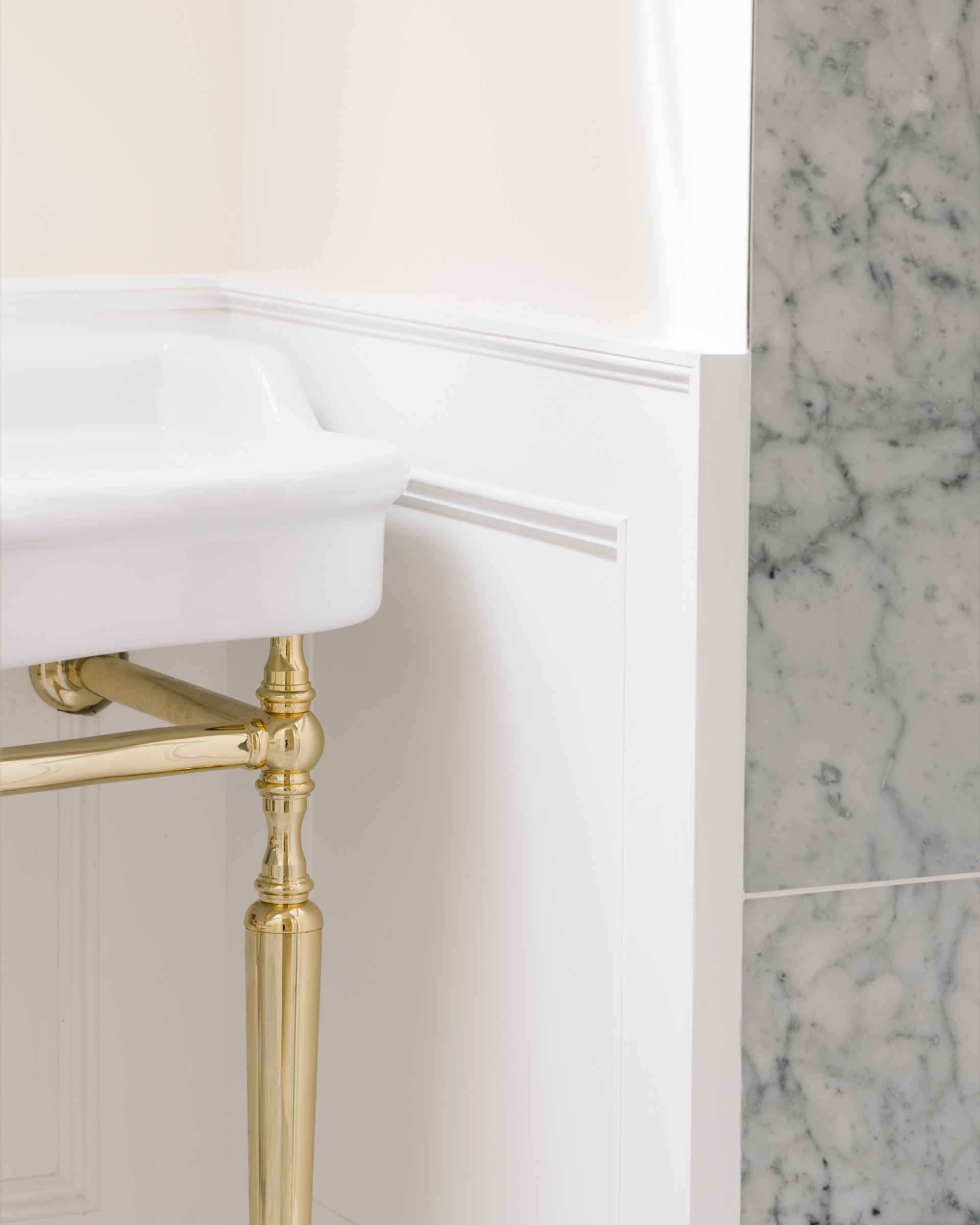
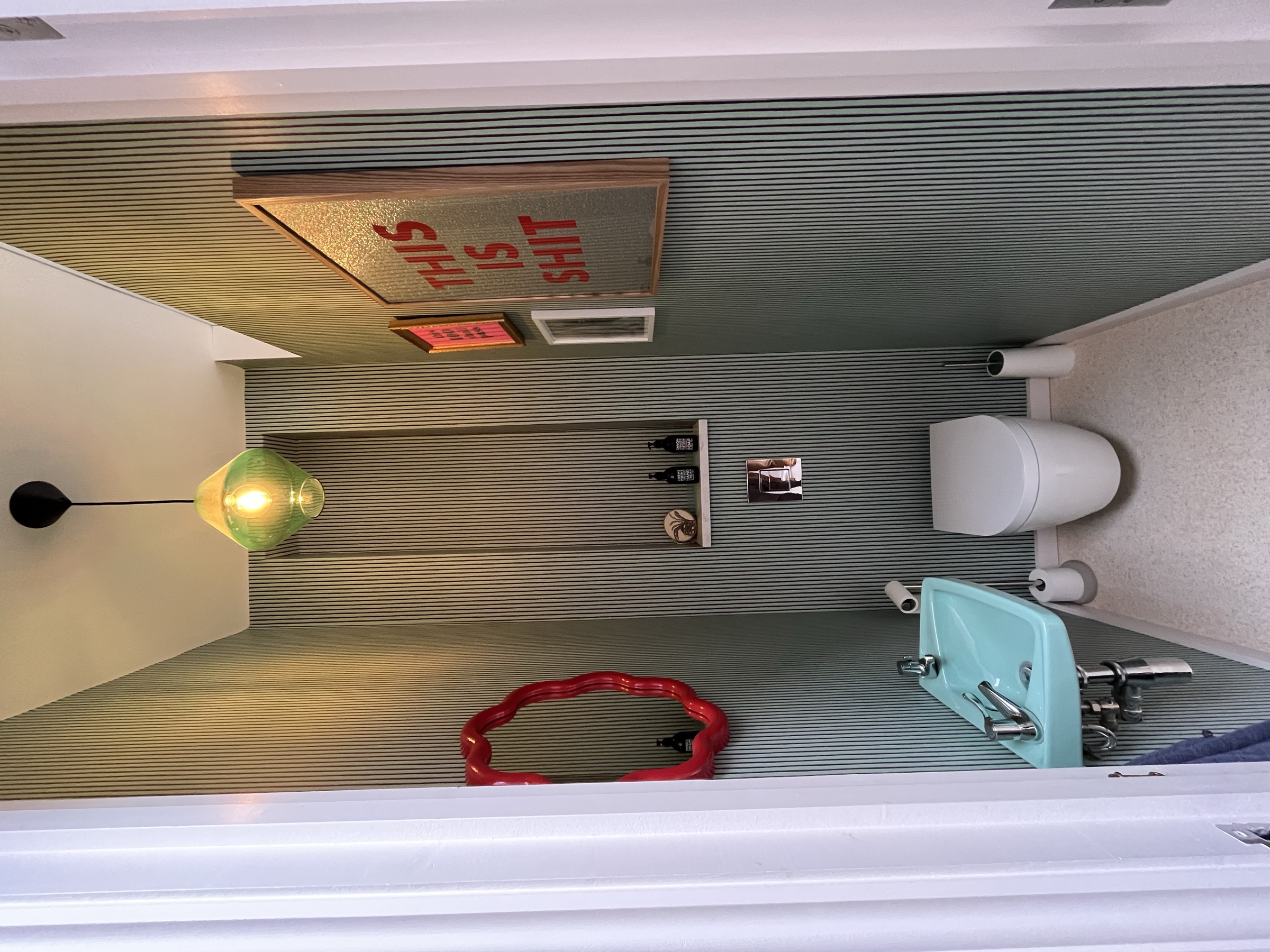
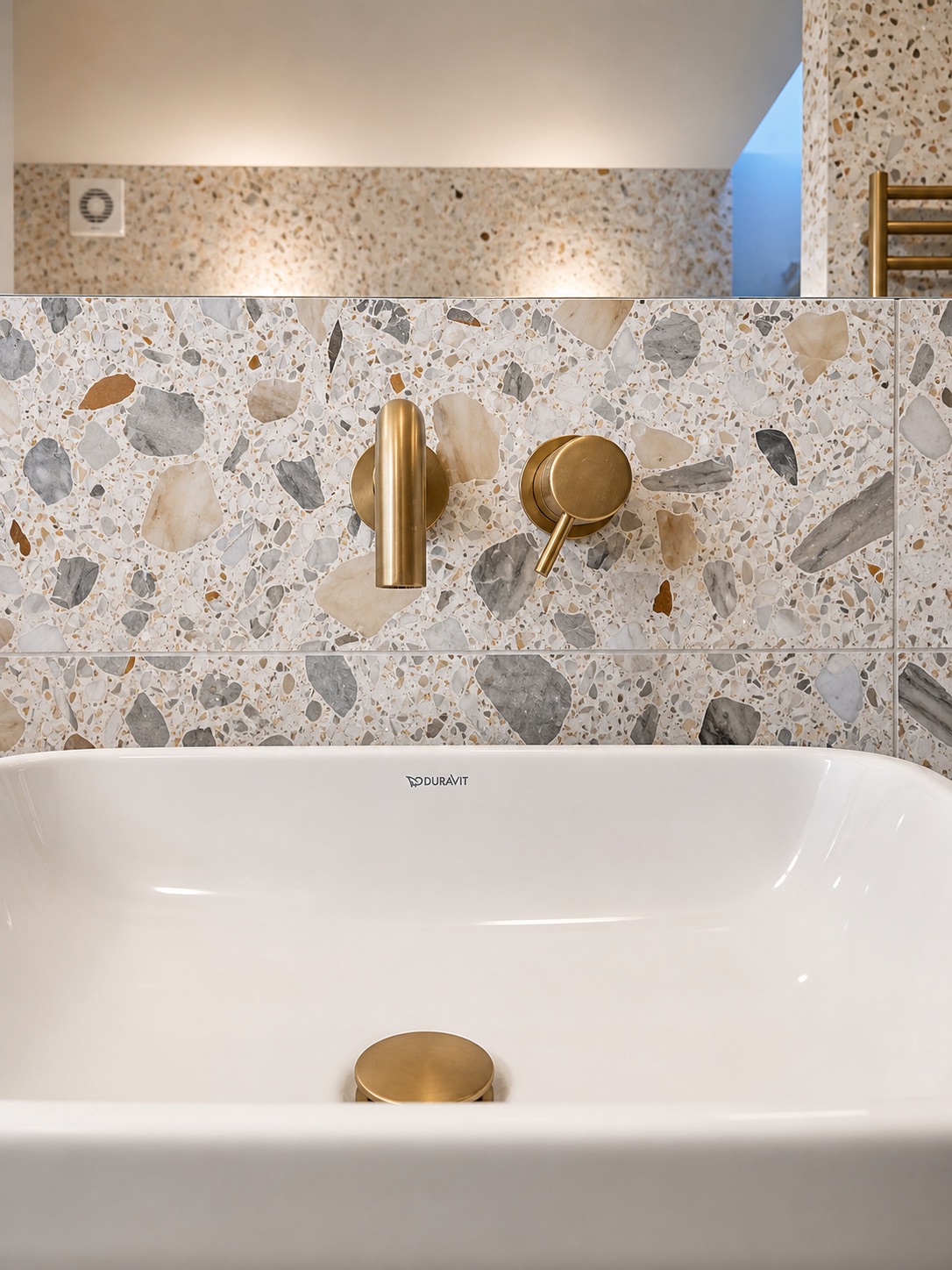
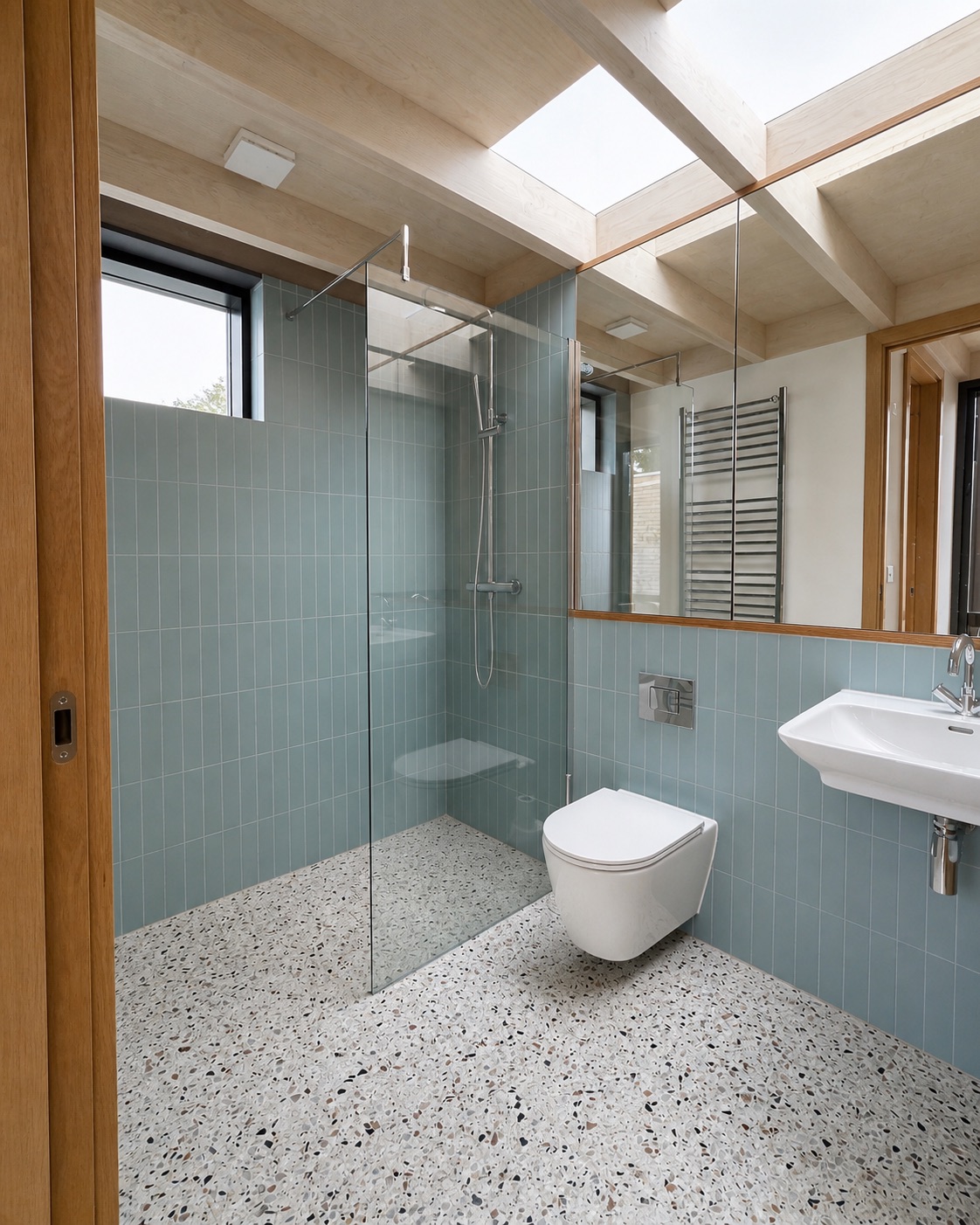
Terrazzo, marble and tile — each captioned with the street it is on.
Register for a free Zoom call to discuss your project
No room measuring needed. Leave your details and we will call you back to book a Zoom call about your bathroom.
- 1We call you backWithin 24 hours, to book the call at a time that suits you.
- 2A free Zoom call about your projectWhat you want to build, what it is likely to cost, and a straight answer if we are not the right contractor for it.
- 3A site visit, if you want oneA £550 site visit and advice, returned in full when you sign up for the whole project. Once a quote is accepted, the visits that follow are part of the job.
How a resin bathroom goes in, in six stages
We finish on the agreed date, or we pay you £500 for every week we are late.
We measure
Every tile tapped. A written yes or no. £550, credited in full.
You choose on a board
Your colour made up on a board, left in your room for days.
The room is sheeted
Floors and the route in covered. Old ware taken away.
The tiles are prepared
Degreased, abraded, grout filled, then the reinforced base.
The colour goes on
By hand, in coats, sanded between. The same hands throughout.
Sealed, then your fittings
Sealed, your ware back on the same connections.
What your house looks like while we are in it
Protection first. The room handed back clean.
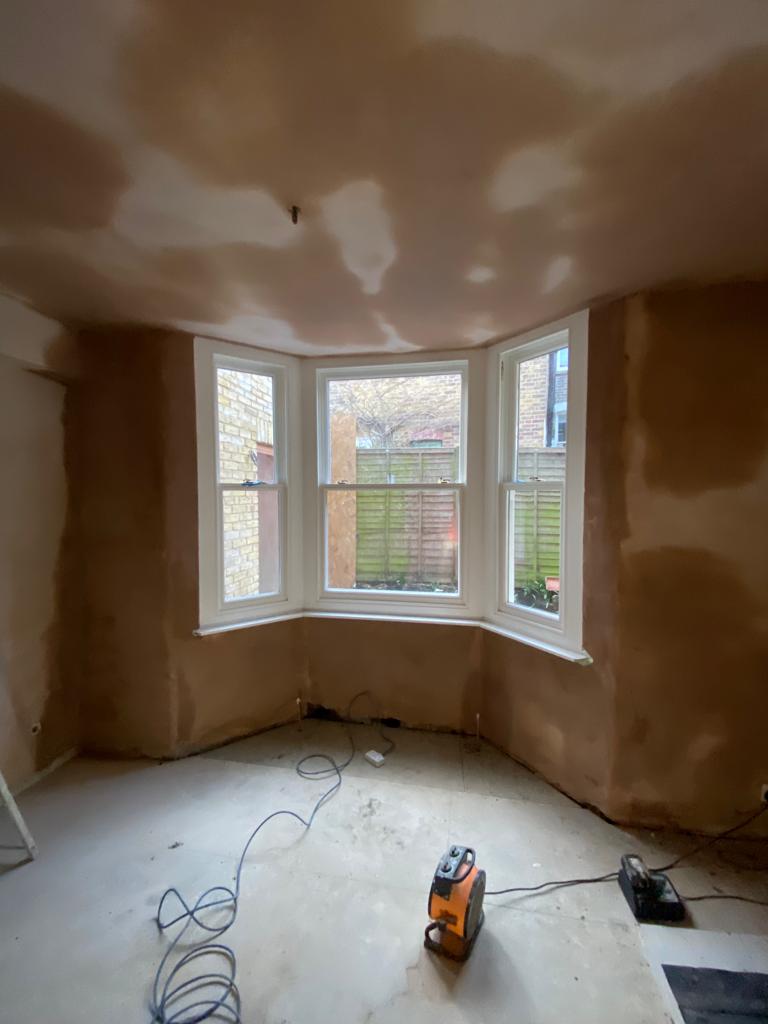
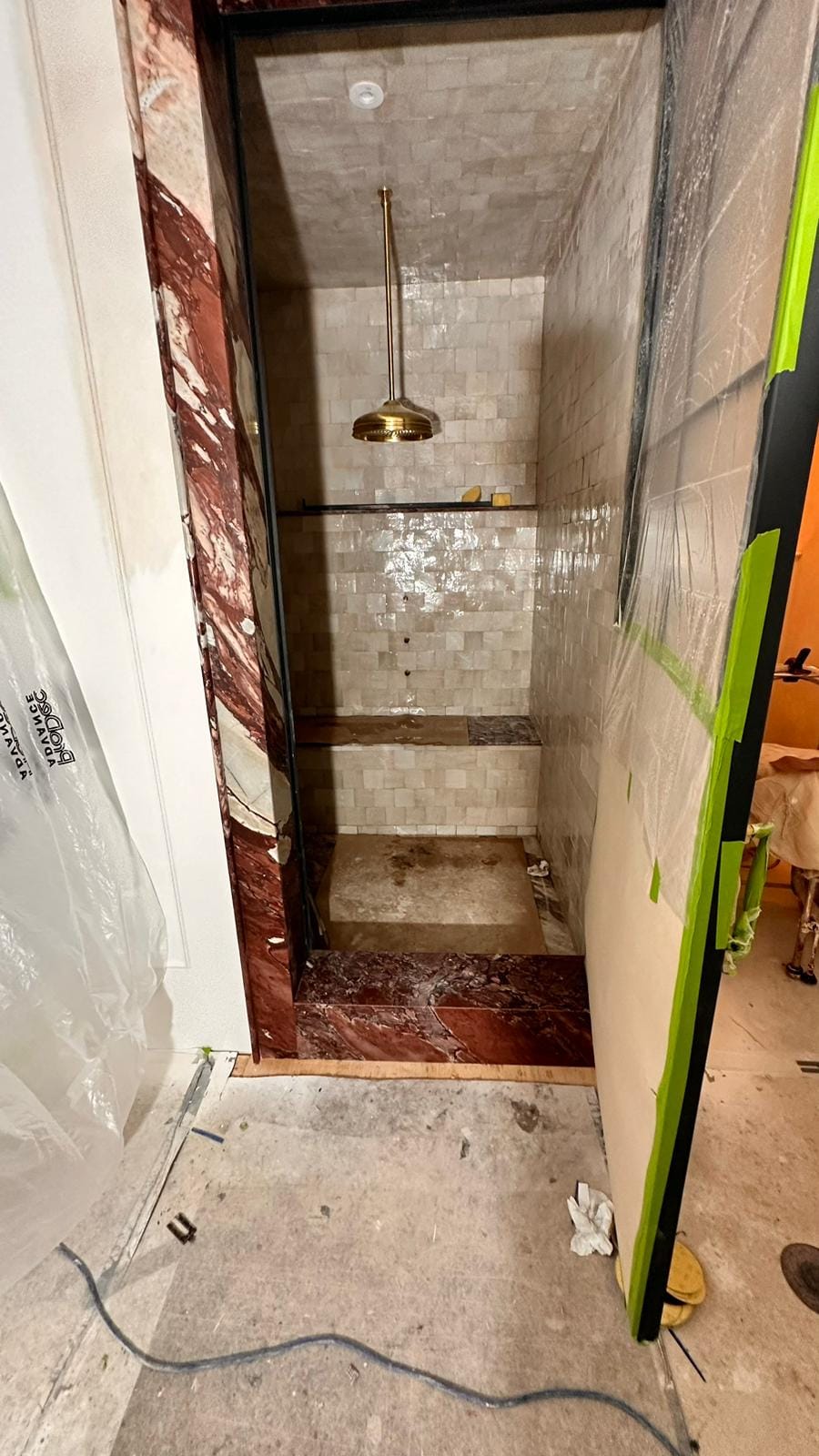
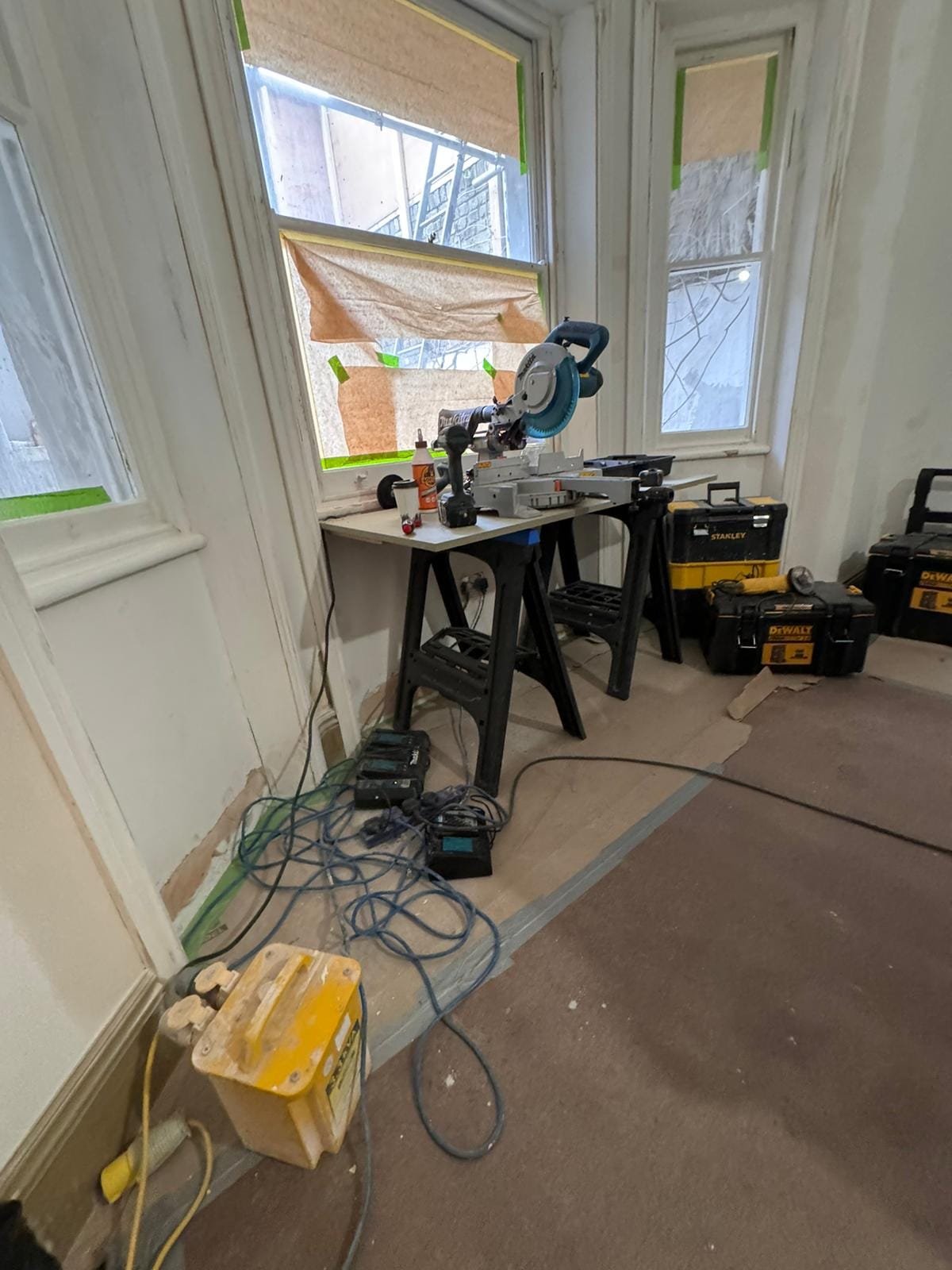
Three 2VP jobs mid-works — the same protection and sequence in every room we take on.
How long a bathroom over tiles takes
About the same working days on site as a strip-out and re-tile, then resin cures for about 3 days with nobody there. What it removes is the 2 days of breaking out tile — the noise, the dust and the skip.
Working days, off our three-option estimate for one bathroom (1.70 × 2.00 m), same suite and same positions, to the nearest half day.
Resin bathroom colours: 27 shades, or any RAL
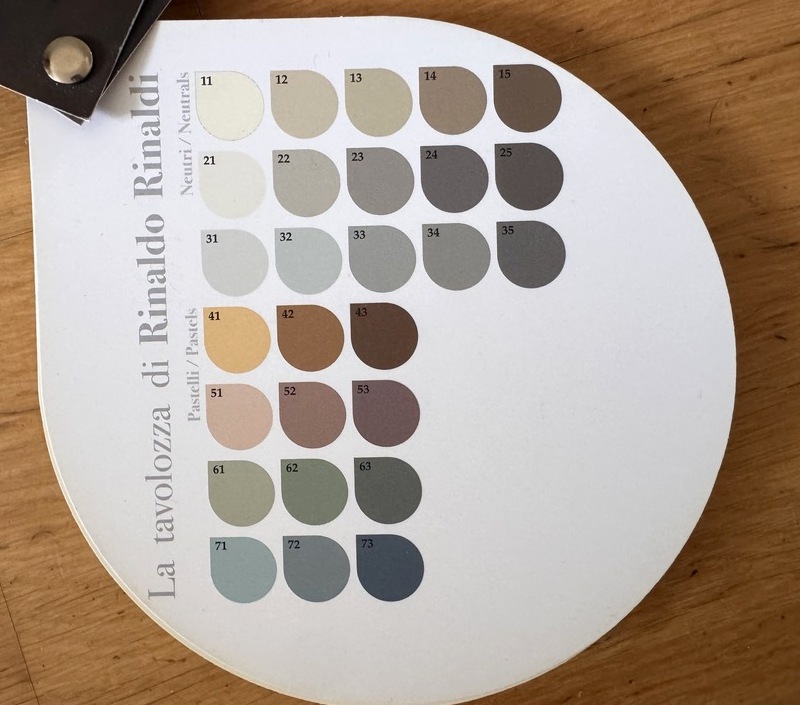
Beyond the 27, any RAL or NCS colour is made to order — so the floor, the walls and the inside of the shower are one colour. Pick one in the calculator above.
Photographed from our own sample boards. Screens shift colour — you choose from the physical board, in your own daylight.






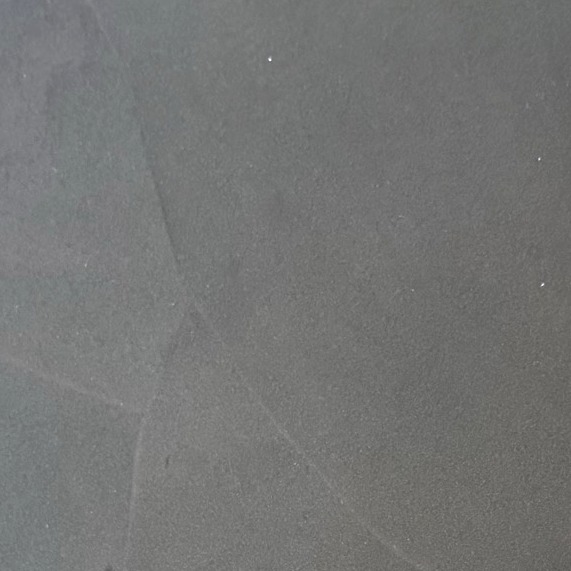




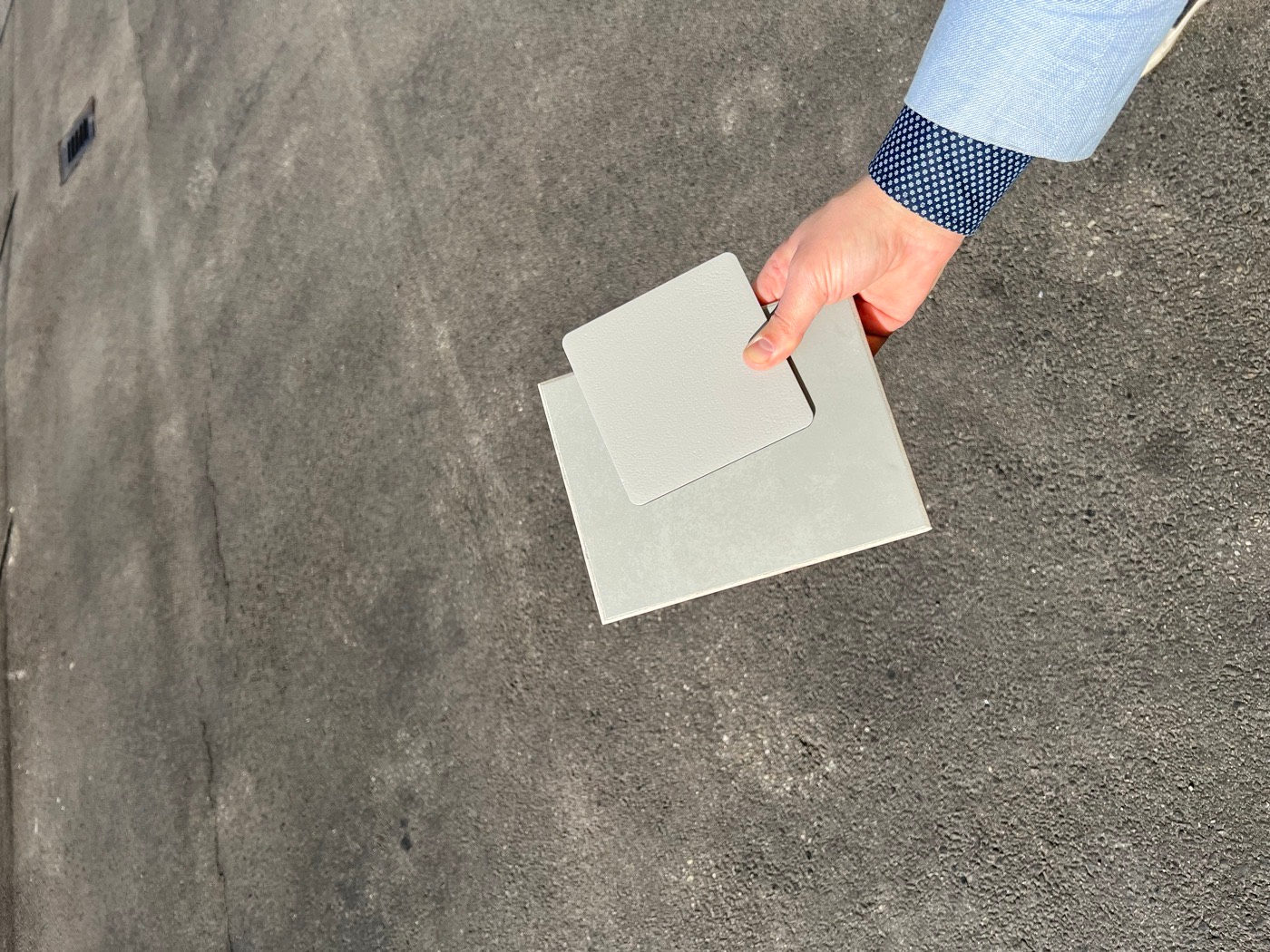
Microcement vs resin in a bathroom
They photograph the same; the binder is the difference. Both go over existing tile — that is not the difference and we won’t pretend it is. We fit the resin system, so weigh our enthusiasm accordingly: where a floor is sound, dry and out of the wet zone, we will tell you the cement-based option is the better buy.
Resin over tiles, explained on film
The technical detail
The system: Spazio Resina, and what it is made ofFive things that decide it
Spazio Resina, from the Litokol SpazioContinuo system, made in Rubiera, Italy. We supply it and we apply it — one accountable team.
The finish and the waterproofing are the same layer — rated by the manufacturer for use inside shower enclosures and in direct contact with water, when applied to its specification.
Door heights, thresholds and the step into the room do not change. In a flat with a fixed door height, that is a constraint, not a detail.
27 nuances as standard, or any RAL or NCS reference made to order. Floor, walls and shower read as one surface.
A water-based flexible epoxy from base coat to topcoat, over a 2 × 2 mm glass-fibre mesh.
Ceramic, porcelain, mosaic, natural stone, agglomerate and wood are all named substrates. Two tests decide whether yours qualifies.
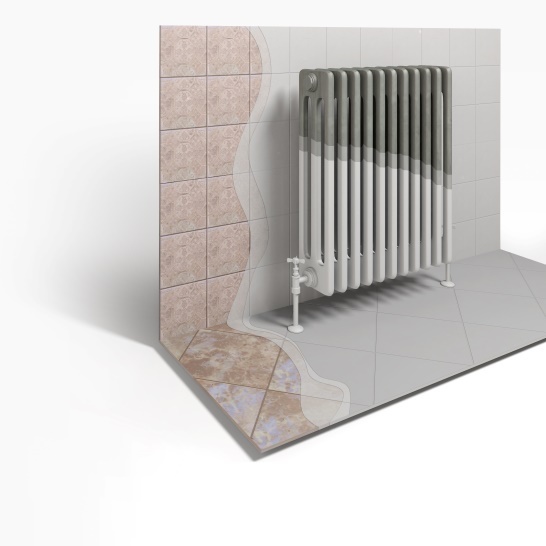
Litokol · SpazioCemento & SpazioResina installation manual, Rev 1, p.2“Also designed for direct overlaying on existing ceramic, porcelain stoneware, mosaic, natural stone, agglomerate, and wood floors.”
What goes on top of the tile, layer by layerThe method and the build-up
- 01Check the bond, key the surface
Tap-test the whole area, then abrade and degrease the tile (Litoscrub EVO) for a mechanical and a chemical key.
- 02Fill the joints and cracks
Grout lines filled flush so the tile pattern never shows through. Cracks and static joints filled and reinforced with mesh.
- 03Bonding primer
Porous or dusty areas get Consolidante Universale EVO and are left at least 12 hours at +23 °C before the first coat.
- 04First coat, with the mesh
A 2 × 2 mm alkali-resistant glass-fibre mesh, overlapped by 2 cm. In wet areas, waterproofing tape and corner pieces go in at the same time.
- 05Second coat — the mesh disappears
About 12 hours later, to roughly 2 mm in total. Sanded at 80 grit and vacuumed before the next stage.
- 06Two colour coats
Matched to your colour. The texture is made here: smooth, trowelled or torn.
- 07Sealer and topcoat
Two coats of Hydrolux EVO — matt, satin or gloss. Pipes, drains and lights are sealed so the waterproofing stays continuous.
What an overlay cannot do, and the deflection limitsRead before you commit
Move the WC, the basin or the waste runs — they stay where they are. Correct falls — a wet-room floor that drains badly will still drain badly.
Whatever is behind the tiles: a slow leak or rotten timber gets sealed in. Repairs are less discreet — there is no joint to hide a patch at.
Where either test fails, a proper strip-out is the honest answer. Walls in gypsum skim, plaster finish or fine mortar do not have the surface strength.
The floor test, in numbers: a rigid finish needs deflection no worse than span ÷ 360, and span ÷ 720 under stone.
The marks the manufacturer publishesTested and classified
Also CE to EN 13813 and EN 15824, UV tested to EN ISO 11341, HACCP food-grade and Sanitized® antimicrobial. Codes quoted as the manufacturer publishes them.
- Underfloor heating. Over a heated screed, with a decoupling layer.
- Kitchens. Worktops, islands and splashbacks in one piece; food-contact certified.
- Stairs and steps. A reinforcing corner profile in the nosings, carried through in one material.
- Office fit-out. Counters, tea points and floors that take trolley traffic.
Sheen: Hydrolux EVO in matt, satin or glossy. Skirting: BattiSpazio in painted wood, 3, 5 or 7 cm tall — or none, where the finish runs wall to floor.
Beyond the bathroom: the wall systems and reactive finishesManufacturer photography
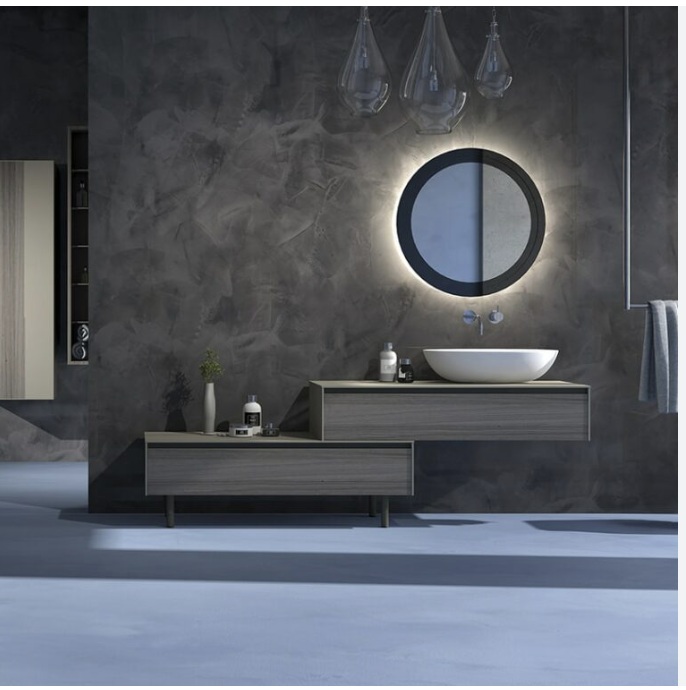
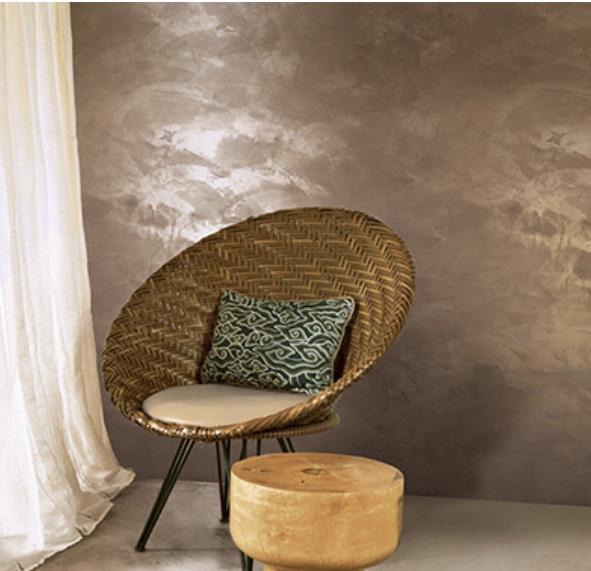
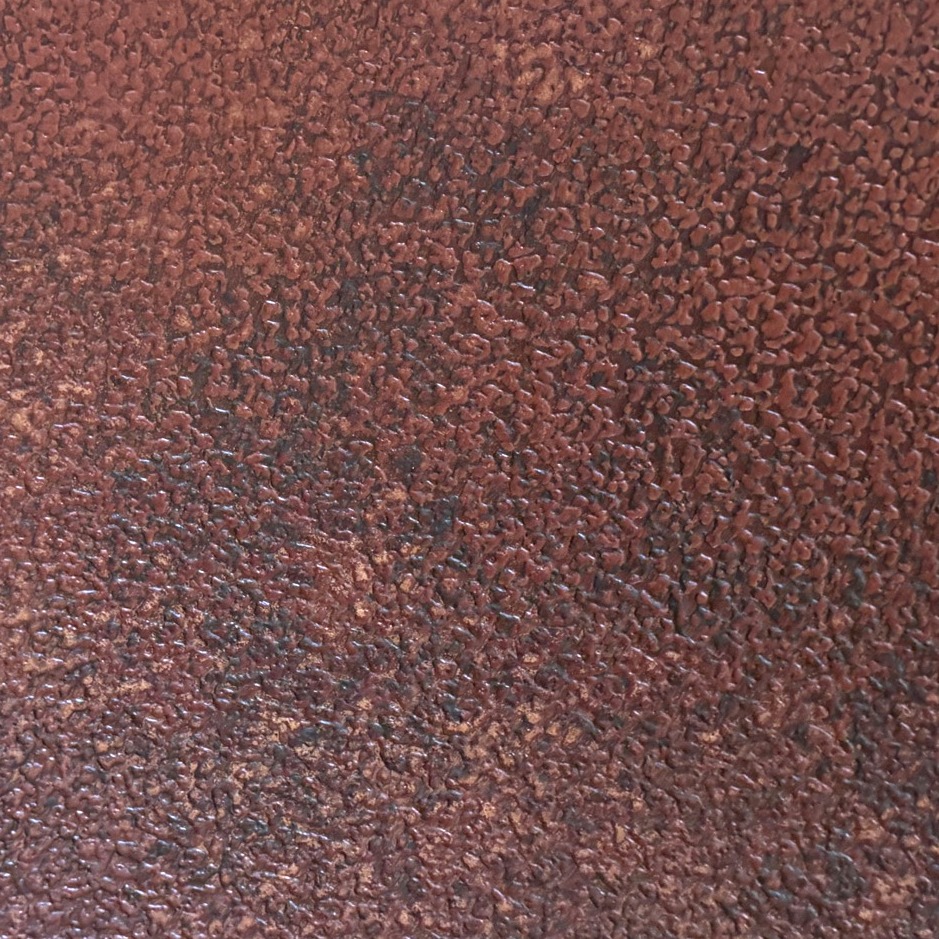
SpazioChiaroscuro, SpazioMateria and SpazioMetallo — the trowel sets the movement, the topcoat sets the sheen. Manufacturer photography, used under supplier licence; not 2VP projects.





Don’t want to choose taps and basins?
£1,500 + VAT, flat, whatever the size: design, specification, buying, checking each delivery, fitting it — plus the goods at what we pay. We do not mark the goods up. Tick it in the calculator.
Microcement and resin bathroom FAQs
Can you really put a new bathroom finish over existing tiles?
Yes, where the tiles are sound and well bonded and the floor is stiff enough to carry a rigid finish. The system is built up in coats at 2–3 mm, so door heights and thresholds do not change, and the demolition, the skip and most of the dust go away. The two things that rule it out are drummy tiles and a floor that flexes, and neither can be corrected by anything applied on top — which is why both are tested before anyone quotes.
Is an overlaid bathroom waterproof?
It depends entirely on the system, and this is the single most common misunderstanding in the trade. The manufacturer of the resin system we fit states that separate waterproofing is not necessary because the system performs that function itself when it is correctly applied — which in a wet area means three coats of topcoat rather than two, and a sealant at every pipe penetration. Cement-based microcement and macrocement are water-resistant surfaces rather than waterproofing systems, so in a shower or wet room they need separate tanking underneath. One thing we will not do either way is lay over an existing ceramic shower tray. Ask any supplier the same question directly, and get the answer in writing.
Is this microcement?
No. Microcement, macrocement and resin get used interchangeably and they behave differently — most obviously in how they handle movement and water. We fit a resin system for bathrooms for that reason. The comparison is worth two minutes of your time before you commit to any of them, and the film on this page walks through it.
When should I strip the bathroom out instead?
When the layout is wrong, when sanitaryware or drainage has to move, when you have reason to suspect what is behind the tiles, or when the substrate fails either test. Overlay when the room already works and the surfaces are sound. Both are honest answers to different situations — the mistake is choosing between them without running the tests first, and if yours is a strip-out we will tell you so at survey.
How much does a microcement bathroom cost in London?
Ours are priced on the measured surface — every wall that carries tile, plus the floor — not on floor area, because the material is bought and applied by the m² of surface covered. On the one bathroom we have quoted for this offer, 4.37 m² of floor measured 25.80 m² of surface, which is why floor area tells you so little. Our published sizes run from £11,160 including VAT for a cloakroom-sized room to £18,840 for a large bathroom or wet room, and those are advertised model costs rather than your price. The calculator on this page prices your own room and your own scope in about two minutes, line by line, off the same rate card we quote from — and the £550 measured survey replaces that with a price against a scope we have walked, credited in full against your contract.
Can you put microcement over tiles in a shower?
Only with the right system and the right build-up, and the distinction matters more here than anywhere else in the room. Cement-based microcement and macrocement are water-resistant surfaces rather than waterproofing systems, so in a shower they need separate tanking underneath. The resin system we fit is stated by its manufacturer to perform that function itself when it is correctly applied — which in a wet area means three coats of topcoat rather than two, and a sealant at every pipe penetration. One thing we will not do either way is lay over an existing ceramic shower tray: the manufacturer does not permit it, so the tray is replaced. Ask any supplier the same question and get the answer in writing.
How long does a resin bathroom last?
We do not publish a number of years, and you should be careful with anyone who does. What we can tell you is what decides it: the substrate underneath, because a rigid finish over a floor that moves will crack whatever it is made of; the topcoat, which is the wearing layer and can be refreshed without touching what is under it; and how it is cleaned, since abrasive and strongly acidic cleaners dull any sealed surface. A room that passes both survey tests and gets cleaned sensibly is not a short-term finish. A room that fails the deflection test is, whatever anybody promises.
Resin vs microcement vs tiles — which is better for a bathroom?
They are different trades solving different problems. Tiles are proven, repairable one tile at a time, and come with grout lines to clean — and getting new ones means removing the old ones. Microcement and macrocement are cement-based and lovely on floors and walls, but in a wet area they are a surface over a separate waterproofing layer rather than the waterproofing itself. Resin is the one we fit in bathrooms, because it handles movement and water better than the cement-based options and goes over sound existing tile at 2–3 mm. The honest comparison, including where each one goes wrong, is in the film and the article on this page.
How long does it take to do a bathroom without removing tiles?
On site, 1.5 to 2.5 weeks of working days depending on the size of the room, then about 3 days of curing with nobody there. On our own estimate for one small bathroom, a strip-out and re-tile came to about 7½ working days, and resin over the tiles to about 7 on site plus the curing — so an overlay does not finish sooner on the calendar. What it removes is the breaking-out: 2 days of noise and dust, the skip, and whatever is behind the old tiles. The completion date goes in your contract either way.
What is guaranteed?
A 12-month workmanship warranty on second-fix fittings, backed by 2VP and signed by the trades. Optional 10-year HomePro insurance-backed cover is available on request, at 2.5% of the contract value paid direct to HomePro. Payment is staged against work already done, starting with 10% at contract signing.
- We are the builder — one contract, one named project manager, no marketplace fee
- Variations priced and dated before you approve them
- 12-month workmanship warranty on second-fix fittings, signed by the trades
- Optional 10-year HomePro cover on request, 2.5% of contract value paid direct to HomePro
Resin bathrooms across London
Fulham, Chelsea, Kensington, Battersea, Clapham, Wandsworth, Putney, Hammersmith, Chiswick, Notting Hill and Brixton, and across London.
Fulham SW6 · Chelsea SW3 · Kensington W8 · Battersea SW11 · Clapham SW4 · Wandsworth SW18 · Putney SW15 · Hammersmith W6 · Chiswick W4 · Notting Hill W11 · Brixton SW2
Find out what your bathroom costs before you commit to anything.
We are not always the cheapest, and if price is the only factor we may not be the fit.
Your price on screen in two minutes. Payment is staged, from 10% at contract signing.