
The Budget Kitchen Trap: What We Found on the IKEA-Carcass Kitchens We Built
Flat-pack boxes with bespoke fronts look the part. On the kitchens we built that way, the hardware went first — and three suppliers meant nobody to call.

- 4.8★ Google · 17 reviews
- £500 per week if we finish late
- £17m insurance cover · £5m public liability
- 12-month warranty on second-fix fittings · HomePro registered
- £550 survey credited in full

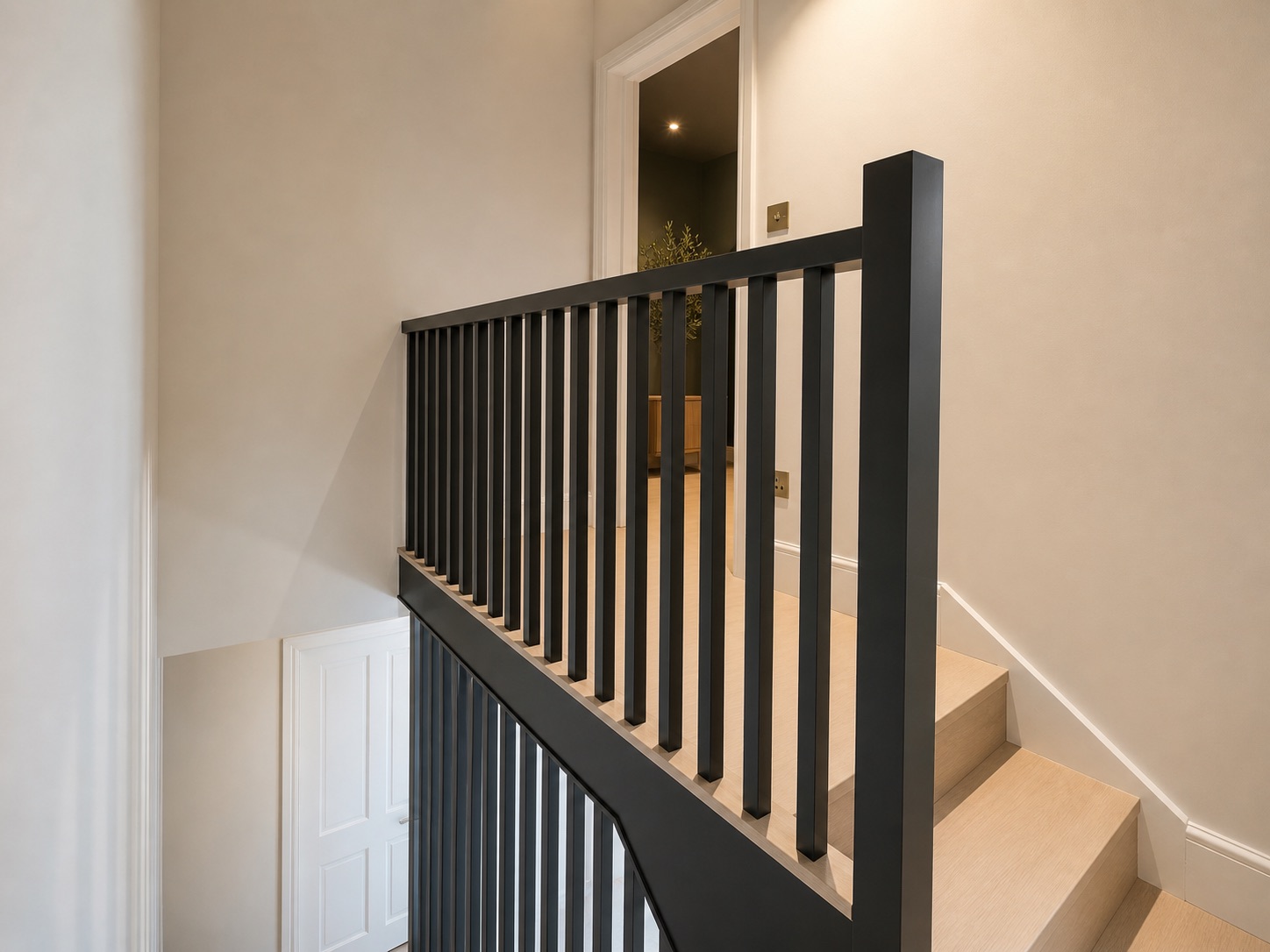
From our Moncrieff Street project — Peckham, SE15
The flat-pack hack does work — you can get a kitchen that looks genuinely bespoke for less. 2 things caught our clients out, and neither is about how it looks. The hardware is the cheapest part doing the hardest job in the house, opening and closing several times a day for 15 years. And buying in pieces from 3 suppliers means that when something fails, there is nobody to call.
Everyone is doing this right now: budget carcasses, a custom front on top, a nice worktop. It photographs beautifully and the logic is sound — you are paying for the part you see rather than the box behind it.
We have built these for clients, so this is not a guess from the outside. What follows is what we found on our own jobs, which is a narrower claim than "flat-pack kitchens are bad" and a more useful one. Our joinery page covers how we make ours, the joinery cost guide sets out what drives the number, and the estimator prices a kitchen either way if you want to compare properly.
The part that fails is the part nobody looks at
A kitchen door opens and closes several times a day for fifteen years. A drawer carrying cutlery, pans and a full bin runs in and out on a mechanism the width of your finger. That is the hardest-working machinery in a house, and in a hybrid kitchen it is usually the cheapest thing in the room.
Three suppliers means nobody is responsible
This is the point we would make even to someone we were not quoting.
A kitchen is not a collection of parts. It is one object that has to work at the junctions: the front onto the carcass, the carcass onto the worktop, the worktop against the wall. When those three come from three companies, a problem at a junction belongs to none of them — and every one of them can say so honestly.
Our clients discovered this at exactly the moment they needed someone to take responsibility. The carcass supplier pointed at the door maker. The door maker pointed at the fitter. Everybody was, in their own terms, right.
And it is often not much cheaper
The saving is real at the carcass and it narrows fast:
- the fronts you actually want, rather than the ones in the entry range
- the worktop, which is priced the same whatever is under it
- the handles, the hinges and the runners, if you upgrade them — and after the above you will want to
- the fitting, which on a hybrid kitchen takes longer, because a bespoke front on a standard box is a fitting problem rather than a supply one
On the kitchens we have built both ways, the gap between a good hybrid and a kitchen made properly in a workshop was smaller than the client expected before they priced both. That is not us saying the hybrid is bad value. It is us saying price both before you decide, because the assumption is doing more work in that decision than the numbers are.
What we do instead, and why it is not a sales pitch
We make ours in our own workshop. Designed around your room rather than around a grid of standard box widths, which on a Victorian terrace with a chimney breast and a window in the wrong place is not a luxury — it is the difference between a run of units and a fitted kitchen.
One point of contact and one warranty. A door drops, you call one person. Us.
That is the whole argument, and you can check it against any supplier: ask who honours the warranty, and what happens when the fault is at a junction between two things they did not both make.
How to buy either one well
- Ask what the hinges and runners actually areBy manufacturer and range, not 'soft-close'. This is the component that decides how the kitchen feels in year five.
- Count the suppliersIf the answer is more than one, ask who is responsible for a fault at the junction between them — and get the answer before you order, not after.
- Price the whole thing, not the boxesCarcasses, fronts, worktop, handles, hardware, fitting. Compare that total against a workshop kitchen. The gap is usually smaller than expected.
- Measure the room, not the catalogueStandard box widths on a period room mean filler panels. Count how many the layout needs — each one is a place the design gave way to the grid.
- Ask what happens in six monthsDoors settle and need re-setting. Ask who comes back, whether it is chargeable, and how long that lasts.
The advice, plainly
Do not get boxed in by a brand or an advert. A budget does not have to mean flat-pack. The materials and the options to keep real quality are there at sensible money, and a kitchen designed around your actual room will suit it better than one assembled from a grid.
Forget the boxed units for a moment and design what you would like. Then price both routes honestly and choose. If the hybrid still wins on your numbers, buy it with better hardware and one person accountable for the fit — and you will have made the decision rather than inherited it.
Every estimate we produce is broken into the same twelve stages, from preliminaries to completion, with a quantity, a unit and a rate on each line, so a kitchen is comparable against itself whichever way you buy it.
Straight answers
The home you actually want, finished on the date in the contract — and you watch every day of it happen from your phone.
We finish on the agreed date, or we pay you £500 for every week we are late.
The date is in the contract, and so is this. Only a variation you approve can move it.
Everything included, line by line
- 10% to mobilise, then weekly against work already done — with 5% held past handover: 2.5% released at practical completion and 2.5% at the end of the 12-month defects period
- £550 survey fee credited in full against your contract
- Every variation priced and signed before a penny is spent
Your range appears as soon as you add your email. Quotes hold for 21 days, then materials re-price.
4.8★ from 17 Google reviews — including the 1-star, published in full. We are not the cheapest. If price is the only factor, we may not be the right fit — and that is fine.
More from the guides
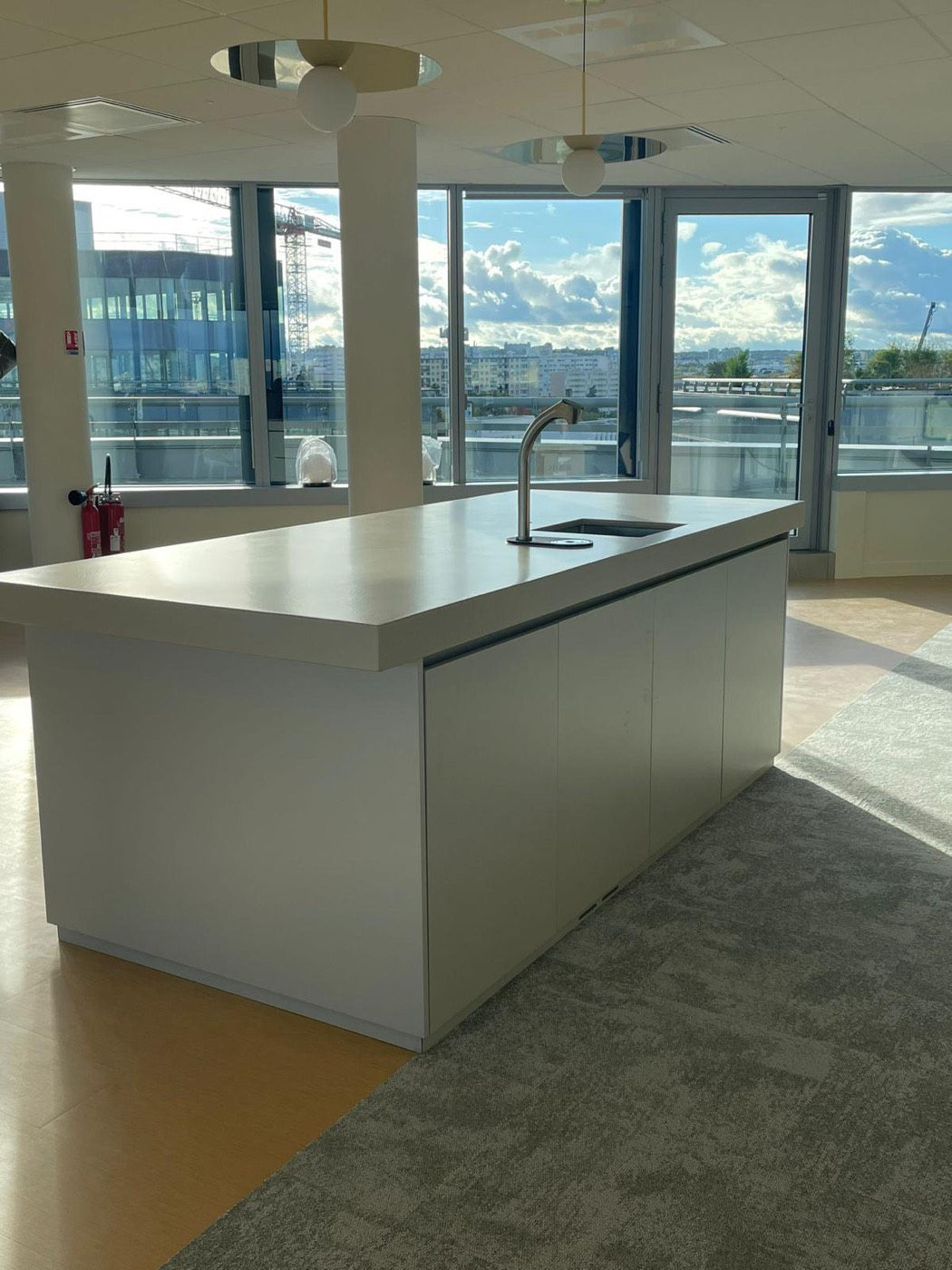 On siteA Seamless Kitchen Worktop, Formed in Place: One Material Over the Tiles You HaveWorktop, island, splashback and floor in one continuous surface, bonded over what is already there. Three metres with no join, and curves cost nothing extra.
- CostsBespoke Joinery Cost in London 2026: Fitted Wardrobes, Kitchens and Built-insBespoke joinery costs in London for 2026: £1,800–£3,500 per linear metre. Fitted wardrobes, alcove shelving, media walls and kitchens, with what drives each price.
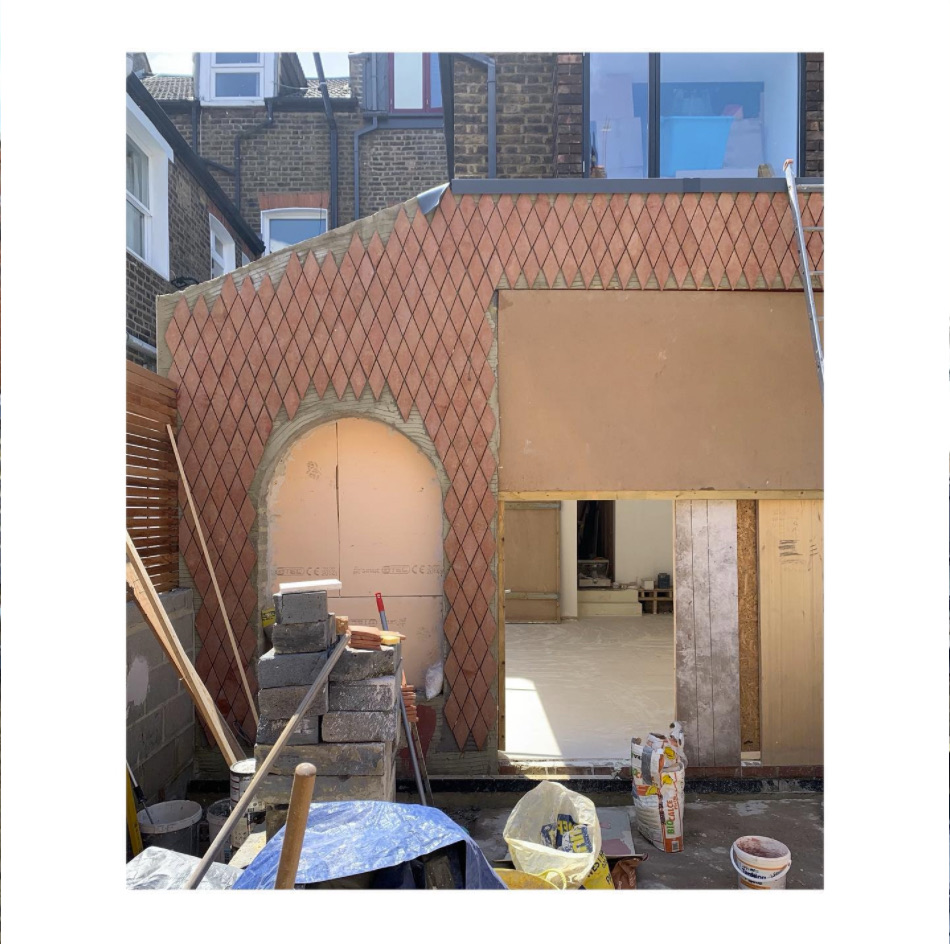 On siteThe Steel Beam: Fire, Movement, and How Your House Is Held While It Goes InThree things around a steel beam that people never check: how it is fire-protected, why it settles afterwards, and what is holding the house up while it is fitted.
- Before you commitThe Pricing Pattern That Makes Homeowners Overpay — and How to Check for ItFront-loading moves money forward, not away. Check the value of every stage: at first fix, roughly 50% paid against 50% built is the sanity test.