
How to Choose Between a Home Extension or Loft Conversion
When your home starts feeling too small, moving is not always the right answer. Extending your space can give you what you need, but choosing between a home extension and a loft conversion is not always straightforward.
Both options add value. Both can completely change how your home works. The right choice depends on how you live, not just how much extra space you want.
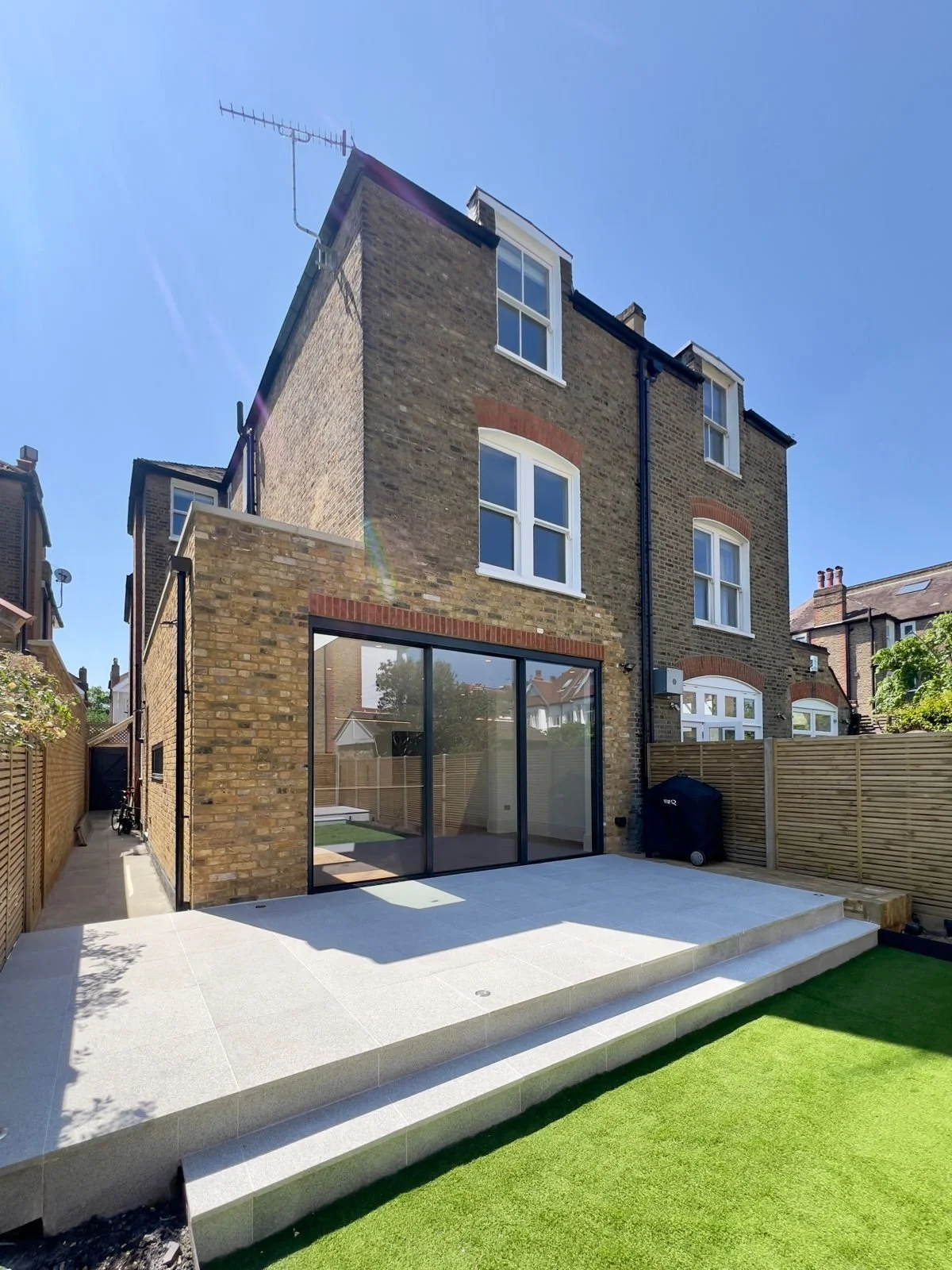
Understand What You Actually Need
Before comparing costs or layouts, be clear about the purpose of the space.
If you need additional bedrooms, a private workspace, or a quiet area away from daily life, a loft conversion often makes more sense. If your main issue is lack of space in the living areas, poor layout, or limited natural light, a home extension is usually the better solution.
The decision should start with function, not square metres.
When a Loft Conversion Works Best
A loft conversion is ideal when you want to add usable space without changing the footprint of your home. It is commonly used for master bedrooms, home offices, or guest rooms.
Loft conversions tend to be quicker to build and can be more cost effective. In many cases, planning requirements are simpler, which helps reduce delays.
This option works best when the roof structure allows for proper head height and practical access. Not every loft is suitable, so an early assessment is essential.
When a Home Extension Is the Right Choice
A home extension is the better option when you want to improve how your home feels and functions on a daily basis.
Extensions are often chosen to create larger kitchens, open plan living spaces, or better connections to the garden. They allow for more natural light and can completely change the flow of the house.
While extensions usually require a higher budget and more planning, the impact on lifestyle can be significant, especially for families or homeowners who entertain often.
Cost and Value Considerations
Loft conversions are generally more affordable upfront, while extensions usually involve higher construction costs. However, value is not only about the initial budget.
A well designed and well built extension can add more long term value than a poorly planned loft conversion, and the same applies in reverse. Design quality and execution matter more than the type of project.

Planning and Practical Factors
Loft conversions often fall under permitted development, depending on the property and location. Extensions are more likely to require planning approval and involve additional coordination.
Every property is different, so structural assessment, local regulations, and realistic budgeting should always be considered before making a decision.
So…
If your goal is to gain extra rooms, a loft conversion is often the smartest choice. If you want to improve the way your home works and feels, an extension can be transformative.
The best results come from understanding how you want to live in your home, both now and in the future. When the decision is guided by lifestyle and not pressure, the investment always feels more worthwhile.
Budgeting for a home renovation doesn’t have to be stressful. With a clear plan, realistic expectations, and trusted professionals by your side, you can achieve your dream home while keeping finances under control. Remember: preparation today means less stress tomorrow.
