
How to Budget for Your Home Renovation Without Stress
Renovating your home is exciting, but it can also feel overwhelming, especially when it comes to budgeting. Unexpected costs can quickly turn your dream project into a financial headache. The good news? With careful planning and smart strategies, you can budget for your renovation without stress. Here’s how.
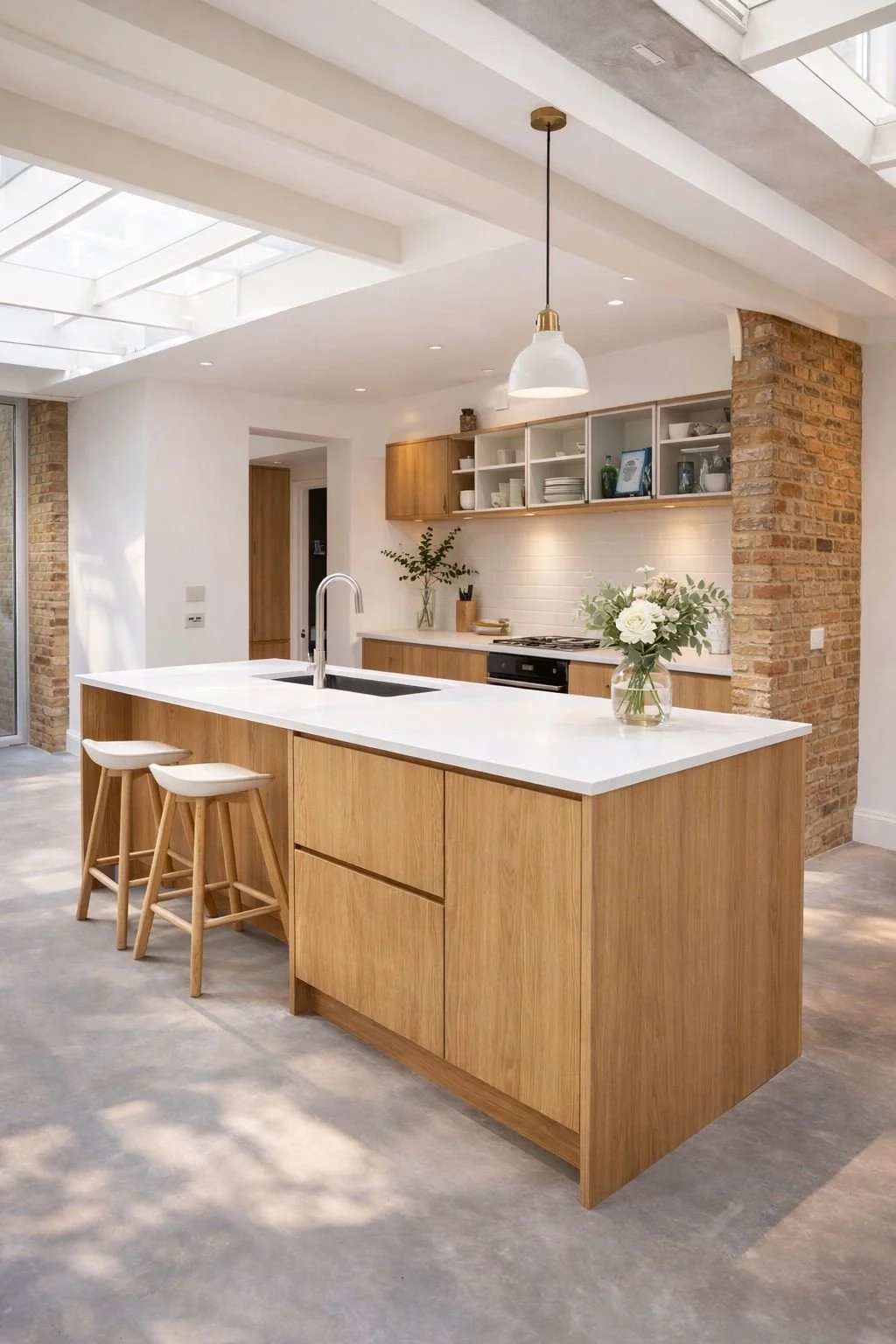
1. Start With a Clear Vision
Before diving into costs, know exactly what you want. Are you renovating your kitchen, installing new windows, or doing a full home extension? Create a list of priorities and “nice-to-haves” to help guide your spending.
2. Do Your Research
Check market prices for materials, windows, doors, and labor in your area. If you’re working with a contractor, ask for multiple quotes. Knowing the typical costs upfront will prevent surprises later.
3. Set a Realistic Budget
Once you have a clear vision and research, set your budget. A good rule of thumb is:
70% for essentials (structural work, windows, doors, plumbing, etc.)
20% for design upgrades (bespoke finishes, premium materials)
10% contingency for unexpected costs
This contingency fund is key, it keeps your project on track even if something unexpected comes up.
4. Plan the Project in Phases
If your budget is tight, consider doing the renovation in stages. For example, start with essential structural changes or window replacements, and tackle cosmetic upgrades later. This approach reduces financial pressure and keeps the project manageable.
5. Choose Quality Over Cheap
It might be tempting to cut costs by choosing the cheapest options, but this often leads to more spending in the long run. Invest in high-quality windows, doors, and materials, they last longer, look better, and can save energy costs.
6. Track Every Expense
Keep a detailed spreadsheet of all expenses, including small items. Seeing everything in one place helps you stay on track and avoid overspending.
7. Work With Trusted Professionals
Hiring experienced contractors, designers, or suppliers can save money and stress. Professionals will advise you on cost-effective solutions, source quality materials, and avoid costly mistakes.
8. Be Flexible, but Stay Disciplined
Renovations often bring unexpected challenges. Flexibility helps, but always refer back to your budget and priorities before approving additional expenses.
Budgeting for a home renovation doesn’t have to be stressful. With a clear plan, realistic expectations, and trusted professionals by your side, you can achieve your dream home while keeping finances under control. Remember: preparation today means less stress tomorrow.
